
As I stood in my kitchen the other evening, the sizzling sound of vegetables meeting the hot pan instantly transported me to my favorite Japanese steakhouse. Today, I’m thrilled to share my recipe for Quick and Easy Hibachi Vegetables, a vibrant dish that can elevate any meal in just 15 minutes! This quick, gluten-free side is not only packed with nourishing veggies like zucchini, broccoli, and mushrooms, but it’s also perfect for those busy weeknights when you crave something wholesome yet satisfying. Trust me, the combination of buttery garlic and savory soy sauce is bound to delight your taste buds. Curious how you can recreate this colorful experience at home? Let’s dive right in!
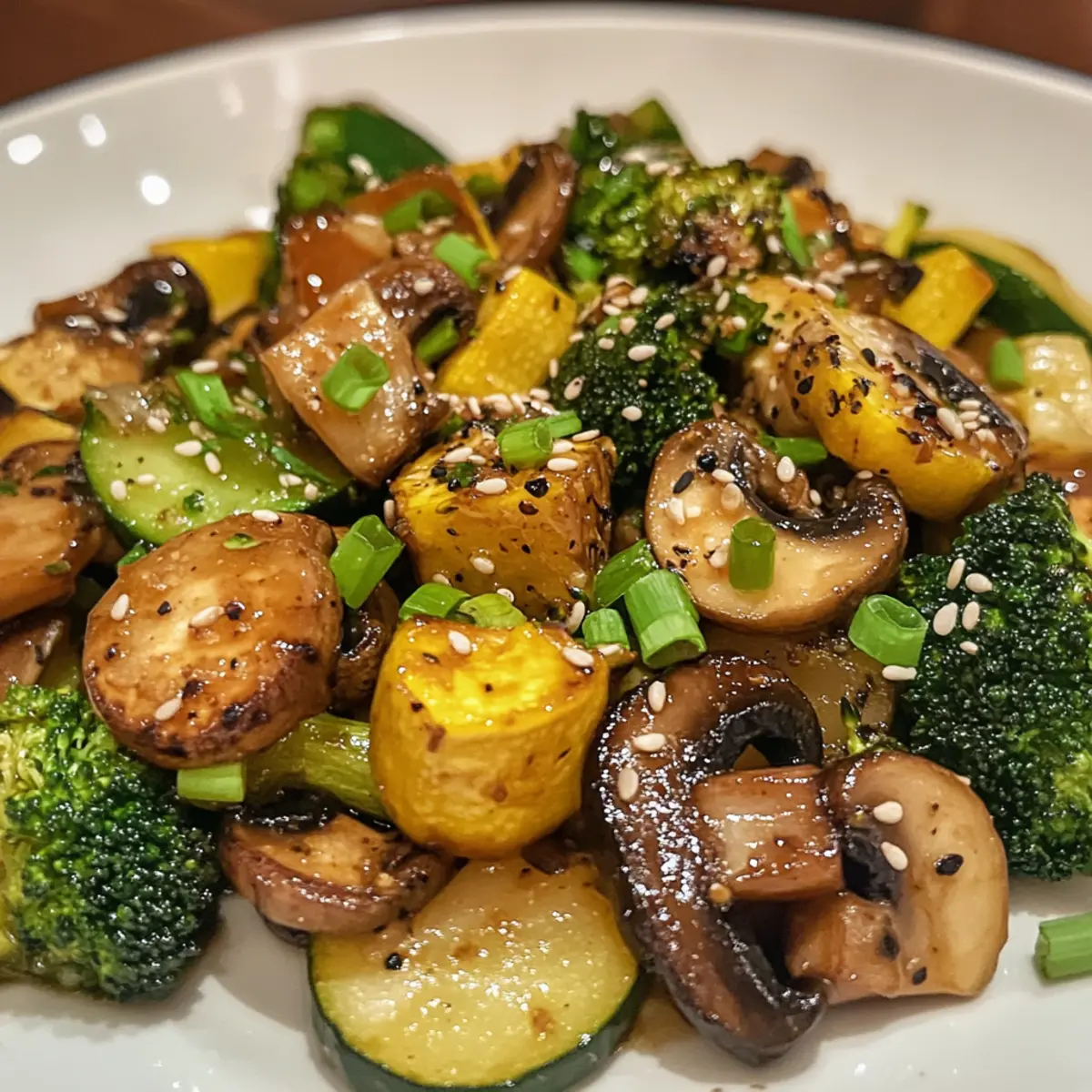
Why You’ll Crave Hibachi Vegetables?
Quick preparation: In just 15 minutes, you can whip up this delightful side dish, making it perfect for busy weeknights.
Colorful medley: The vibrant mix of zucchini, broccoli, and mushrooms not only looks appealing but also packs a nutritional punch.
Flavor explosion: With a rich combination of buttery garlic and savory soy sauce, every bite is a mouthwatering delight.
Versatile options: Feel free to customize your dish by adding seasonal veggies or proteins like tofu or shrimp. Pair it with your favorite rice or noodles for a complete meal, just like in those cozy Japanese restaurants.
Health-conscious: These hibachi vegetables are gluten-free and can be easily adapted for vegan diets, ensuring everyone can enjoy this delicious recipe.
So, when you’re looking for quick and healthy dinner ideas, remember these hibachi vegetables to add that sizzling, restaurant-quality touch right at home!
Hibachi Vegetables Ingredients
For the Vegetables
• Zucchini – Adds a mild sweetness and tender crunch; substitute with yellow squash for even more flavor.
• Yellow Squash (optional) – Introduces another layer of texture; omit if not available; zucchini alone works great!
• Onion – Provides sweetness and depth; slice into strips for maximum caramelization.
• Cremini or White Mushrooms – Contributes umami flavor and a hearty texture; feel free to use any variety you have.
• Broccoli Florets – Adds freshness and vibrant green color; can swap with snap peas or green beans for variety.
For Cooking
• Neutral Oil (Canola or Avocado) – Essential for high-heat sautéing; avoid olive oil due to its lower smoke point.
• Unsalted Butter – Delivers rich flavor and a glossy finish; can replace with vegan butter for a plant-based option.
• Garlic (minced) – Enhances the overall flavor profile with savory warmth.
• Freshly Grated Ginger (optional) – Adds a spicy kick; can be omitted or substituted with ground ginger if preferred.
For Seasoning
• Low-Sodium Soy Sauce or Tamari – Provides savory depth and a satisfying glaze; tamari is ideal for gluten-free diets.
• Honey or Sugar – A hint of sweetness to balance the savory; maple syrup is an excellent vegan substitute.
• Kosher Salt and Black Pepper – Essential for seasoning; adjust to taste for the perfect flavor blend.
For Garnish
• Toasted Sesame Seeds & Sliced Green Onion – Adds texture and visual appeal; don’t skip this finishing touch!
Step‑by‑Step Instructions for Hibachi Vegetables
Step 1: Heat the Pan
Begin by preheating a large skillet or wok over high heat until the surface shimmers, which usually takes about 2-3 minutes. Add a splash of neutral oil, and to test if it’s ready, flick a drop of water into the pan; it should sizzle and evaporate immediately. This high temperature is crucial for achieving that signature hibachi flavor.
Step 2: Sauté the Onions
Once the oil is hot, toss in the sliced onions and sauté for 1-2 minutes. Stir frequently to ensure even cooking while allowing the onions to soften and start to caramelize, turning slightly golden. This step adds essential sweetness to your hibachi vegetables and sets the flavor foundation for the dish.
Step 3: Add Mushrooms and Broccoli
Now, add in the cremini or white mushrooms, along with the broccoli florets, stirring continuously for about 2 minutes. Keep an eye on the vegetables as they should begin to caramelize slightly and soften but still retain some crunch. This blend of warmth and vivid color will elevate the dish’s visual appeal.
Step 4: Incorporate Zucchini
Next, introduce the zucchini (and yellow squash if you chose to include it) to the pan. Cook everything together for an additional 2 minutes, flipping the veggies occasionally to ensure they cook evenly. The zucchini should become tender yet still vibrant in color, enhancing the overall look and taste of your hibachi vegetables.
Step 5: Push Aside & Add Aromatics
Carefully push the vegetables to one side of the pan, creating a small space in the middle. Add in the unsalted butter, minced garlic, and freshly grated ginger if using. Stir these aromatics for about 30 seconds, allowing the butter to melt and the garlic to become fragrant, creating a deliciously rich base.
Step 6: Splash in the Sauces
Pour in a splash of low-sodium soy sauce (or tamari) along with honey to the pan. Toss the vegetables well, ensuring they are fully coated in the flavorful mixture. Allow this to bubble for about 1 minute, letting the ingredients blend together and infuse the hibachi vegetables with a mouthwatering glaze.
Step 7: Finish Cooking
As you approach the end of cooking, stir in any remaining butter to enhance the richness, and season your hibachi vegetables with kosher salt and black pepper to taste. This step will make sure your dish has a well-rounded flavor, so adjust seasoning to suit your preference.
Step 8: Serve and Garnish
Finally, transfer your beautifully cooked hibachi vegetables to a serving platter. Top with toasted sesame seeds and sliced green onions to add a delightful crunch and visual flair. This vibrant dish is now ready to be enjoyed as the perfect side to your meal!
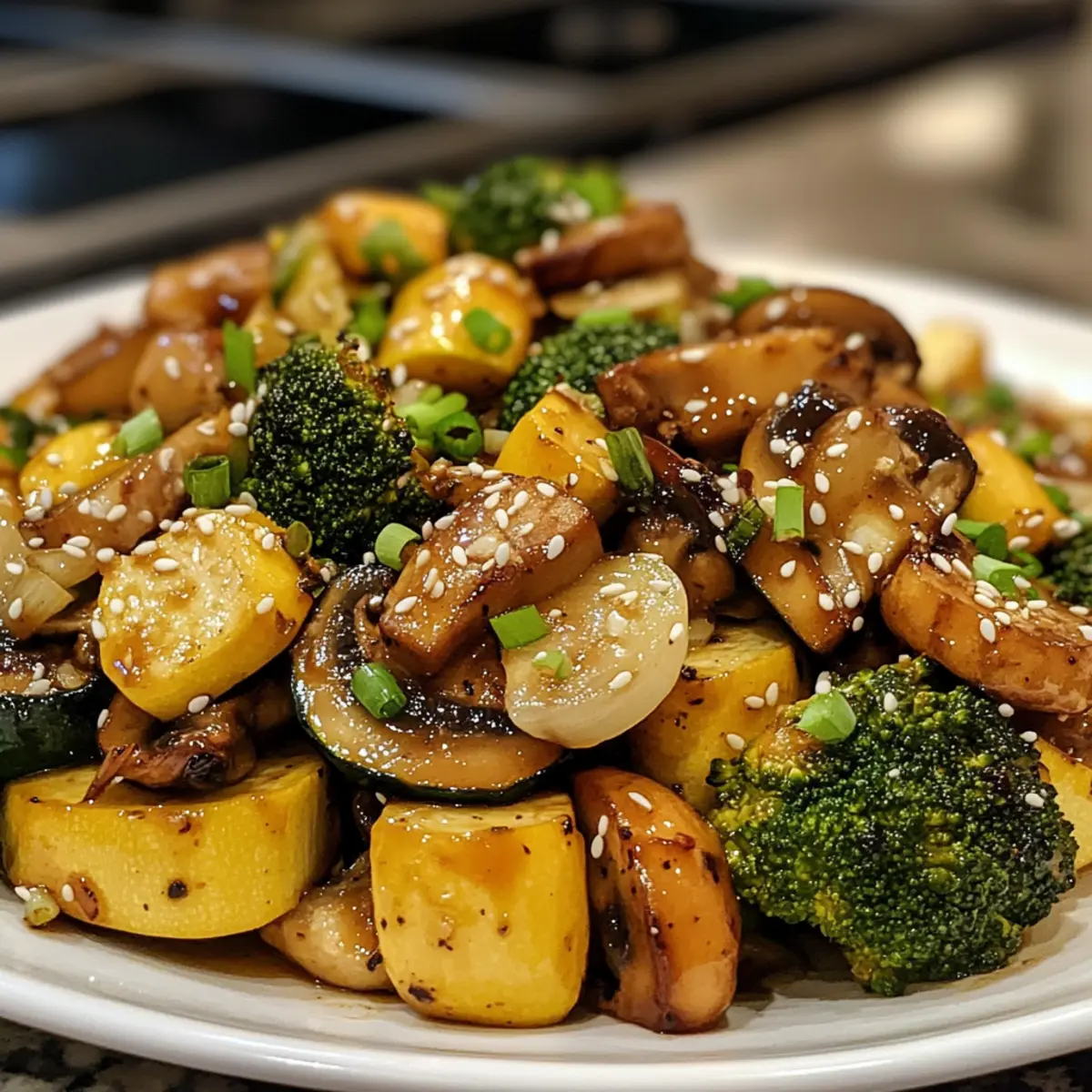
Hibachi Vegetables Variations & Substitutions
Feel free to play with these ideas to make your hibachi vegetables uniquely yours, adding delicious twists to this vibrant dish!
-
Colorful Add-Ins: Mix in bell peppers, asparagus, or carrots for a rainbow of colors and flavors that brighten your dish.
-
Protein Boost: Consider adding protein like tofu or shrimp to turn your side dish into a complete meal. It’s a fantastic way to make it hearty!
-
Seasonal Swaps: Use whatever seasonal vegetables you have on hand. Sweet corn or snap peas work wonderfully and provide a fresh twist.
-
Dairy-Free: Replace the unsalted butter with vegan butter for a creamy texture and flavor that everyone can enjoy.
-
Gluten-Free: Use gluten-free soy sauce or tamari to ensure that this dish meets gluten-free dietary needs. This way, everyone at the table can join in!
-
Flavor Variety: Add a splash of sesame oil or chili oil for a richer flavor profile or extra heat to excite your taste buds.
-
Herb Infusion: Toss in fresh herbs like basil or cilantro just before serving to elevate your dish with fresh, vibrant flavors. It adds a unique touch!
If you’re looking for more great ideas, check out our Christmas Dinner Ideas for tasty combinations or pairing suggestions that could elevate your meals even further!
How to Store and Freeze Hibachi Vegetables
Fridge: Store leftover hibachi vegetables in an airtight container for up to 4 days. This helps retain their delicious flavors and prevents drying out.
Freezer: For longer storage, freeze hibachi vegetables in a freezer-safe bag or container for up to 3 months. Portion them out for easy future meals.
Reheating: To reheat, place the frozen vegetables in a skillet over medium heat until warmed through, adding a splash of water or broth to restore some moisture. Avoid microwaving to maintain texture.
Tip: Ensure the hibachi vegetables are cooled completely before freezing to maintain their vibrant colors and flavors.
Make Ahead Options
These Hibachi Vegetables are fantastic for meal prep, saving you time on busy weeknights! You can chop the zucchini, onion, and broccoli up to 24 hours in advance and store them in an airtight container in the refrigerator to maintain their freshness. For best results, keep the mushrooms uncut until the day of cooking to prevent them from getting soggy. When you’re ready to cook, simply heat the pan, add the prepped veggies, and sauté as per the recipe instructions. This way, you’ll enjoy delicious, colorful hibachi vegetables with minimal effort, just as tasty as when freshly made!
What to Serve with Quick and Easy Hibachi Vegetables?
Elevate your hibachi experience with delightful pairings that enhance every vibrant bite and turn your meal into a feast.
- Steamed Jasmine Rice: A fluffy, fragrant base that absorbs the savory sauce, making each spoonful irresistible.
- Fried Rice: Adds a satisfying texture and rich flavor, perfect for soaking up the delicious glaze of the hibachi vegetables.
- Miso Soup: This warm soup complements the dish with umami depth while providing a cozy, comforting touch to the meal.
- Pickled Ginger Salad: A refreshing crunch of pickled ginger salad brightens your plate and cleanses your palate between bites.
- Tofu or Shrimp Skewers: Grilled protein options enhance the meal’s heartiness while harmonizing with the vibrant flavors of the vegetables.
- Szechuan Noodles: These spicy, savory noodles offer an exciting contrast that plays beautifully off the sweetness of the hibachi vegetables.
- Sesame Soba Noodles: Light and nutty, these noodles bring a delightful textural contrast while echoing the toasted sesame notes in the dish.
- Chilled Green Tea: The refreshing qualities of green tea provide a soothing counterpoint, making for a balanced dining experience.
- Mango Sorbet: Finish off your meal with this sweet and fruity dessert, cleansing the palate and leaving a lasting impression.
Expert Tips for Hibachi Vegetables
• Don’t Overcrowd: Avoid filling the pan too full to prevent steaming; work in batches for optimal caramelization of your hibachi vegetables.
• Season at the End: Add soy sauce and seasonings near the finish to maintain the vegetables’ vibrant textures and flavors.
• Use High Heat: Always preheat your skillet or wok until shimmering for that authentic hibachi sizzle—this is key for achieving that delicious glaze.
• Cut Uniformly: Chop your vegetables into even sizes to ensure they cook evenly, maximizing the delightful crispness and flavor in every bite.
• Experiment with Variations: Feel free to mix in seasonal veggies or protein options, like tofu or shrimp, for a more filling experience tailored to your taste!
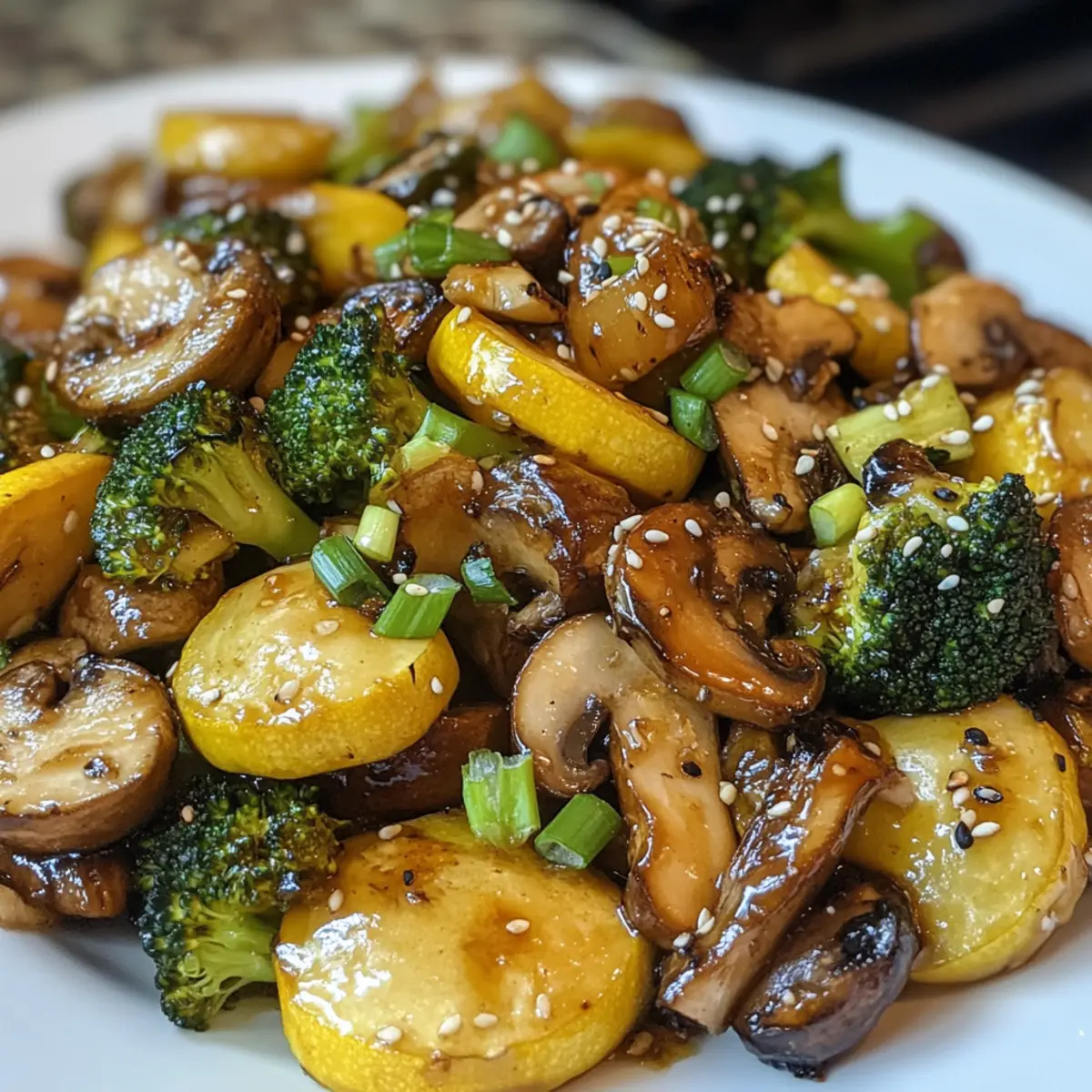
Hibachi Vegetables Recipe FAQs
How do I select ripe vegetables for hibachi?
Absolutely! When selecting vegetables for hibachi, look for zucchini and yellow squash that are firm with vibrant skin and no dark spots. Broccoli florets should be bright green and tightly closed, while onions should feel heavy for their size and smell sweet. For mushrooms, choose ones that are plump and free of blemishes to ensure freshness and flavor.
How should I store leftover hibachi vegetables?
Leftover hibachi vegetables should be stored in an airtight container in the refrigerator for up to 4 days. This keeps their flavors intact while retaining moisture. To reheat, I recommend using a skillet over medium heat, as this revives the original texture better than using a microwave.
Can I freeze hibachi vegetables?
Very! You can freeze hibachi vegetables in a freezer-safe bag or container for up to 3 months. Before freezing, make sure the vegetables have completely cooled. Lay them flat in the bag to save space and easily portion them out for future meals. When ready to use, thaw in the refrigerator overnight or sauté directly from frozen in a skillet.
What can I do if my vegetables are getting soggy?
If your hibachi vegetables are getting soggy, it’s usually due to overcrowding in the pan which causes steaming instead of sautéing. To ensure proper cooking, always use a large skillet and if necessary, work in batches to keep the veggies spaced out. This way, they can achieve that delightful caramelization and maintain their crisp texture.
Are there any dietary concerns with hibachi vegetables?
Yes! This recipe is naturally gluten-free when you use tamari instead of soy sauce, making it suitable for those with gluten sensitivities. For vegan options, substitute unsalted butter with vegan butter and honey with maple syrup. Always be cautious about allergies and double-check ingredient labels if you’re serving it to others.
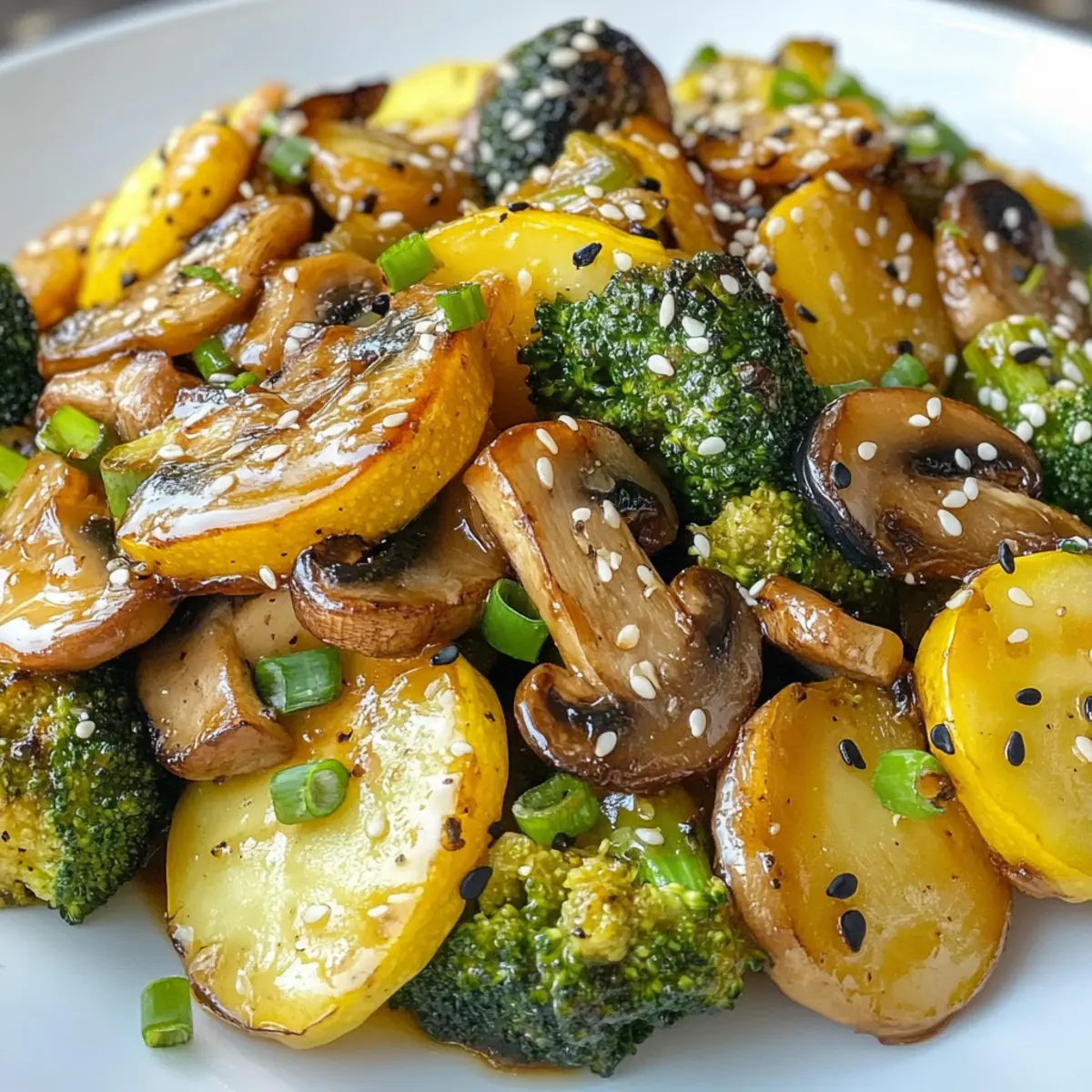
Delicious Hibachi Vegetables Ready in Just 15 Minutes
Ingredients
Equipment
Method
- Begin by preheating a large skillet or wok over high heat until the surface shimmers, about 2-3 minutes.
- Toss in the sliced onions and sauté for 1-2 minutes until softened and golden.
- Add the mushrooms and broccoli, stirring for about 2 minutes.
- Introduce the zucchini and yellow squash, cooking for an additional 2 minutes.
- Push the vegetables aside, add the butter, garlic, and ginger, stirring for 30 seconds.
- Pour in the soy sauce and honey, tossing well and letting it bubble for 1 minute.
- Stir in any remaining butter and season with salt and pepper to taste.
- Transfer the vegetables to a serving platter and garnish with sesame seeds and green onions.
Leave a Reply