
As I stood in my kitchen, the sun filtering through the window, I was struck by a sudden craving for vibrant, comforting flavors that only homemade dishes can provide. That’s when I knew it was time to whip up my favorite Vegan Afghan Eggplant, or Borani Banjan. This delightful recipe brings together luscious slices of golden eggplant, perfectly paired with a spiced tomato sauce and a refreshing garlicky yogurt drizzle. Not only is it quick to prepare in under an hour, but it also makes for a gorgeous centerpiece that will impress family and friends alike. Dive into the rich essence of Middle Eastern cooking, and you’ll find that this dish is not just comforting; it’s the perfect plant-based comfort food. Are you ready to discover this culinary gem?
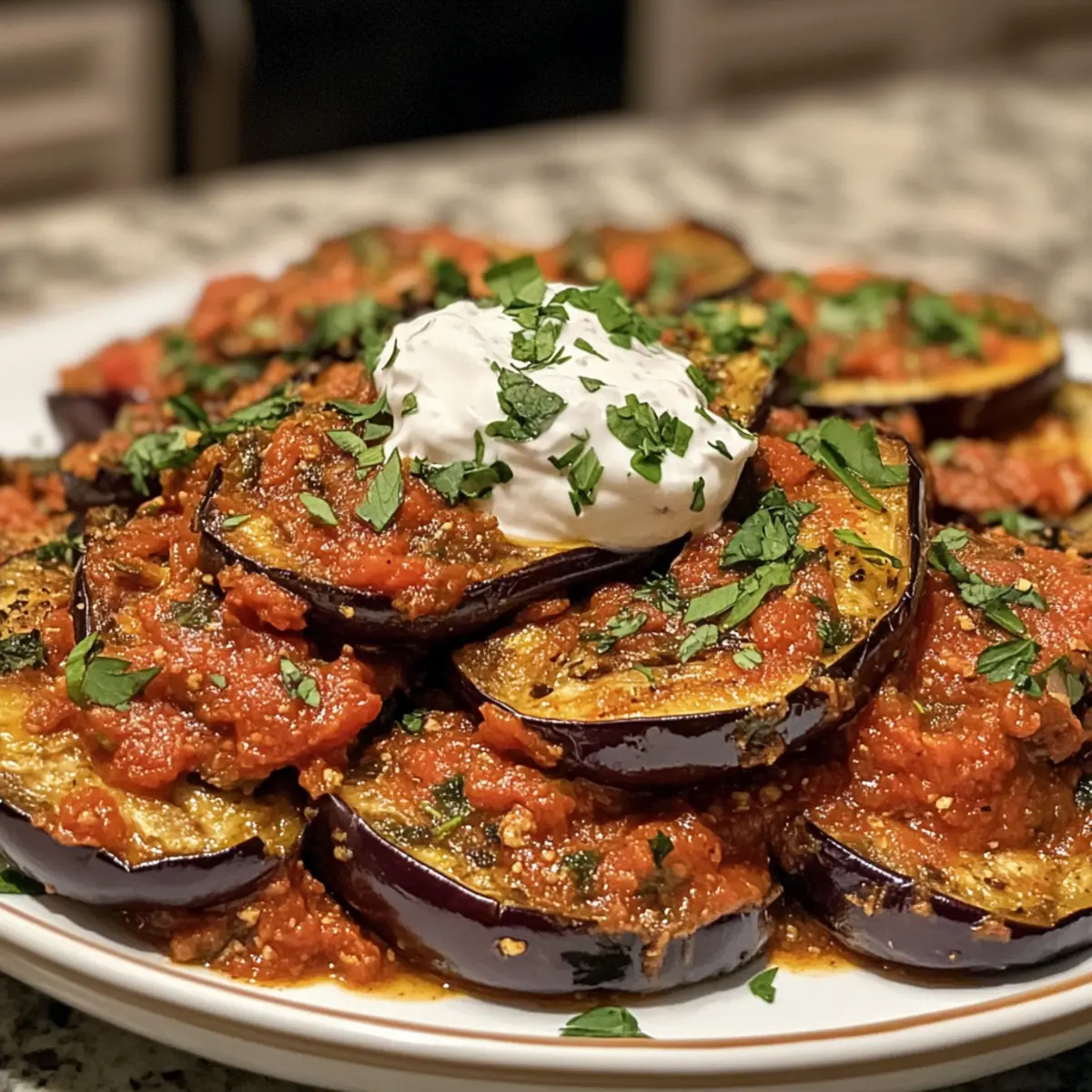
Why is This Vegan Afghan Eggplant Special?
Simplicity at Its Best: This recipe utilizes just a handful of ingredients, making it easy to recreate rich Middle Eastern flavors.
Crispy and Tender: Perfectly fried eggplant provides a delightful contrast to the robust tomato sauce, ensuring every bite is mouthwatering.
Versatile Base: Use leftover eggplant slices in wraps, as a sandwich filling, or even over grains for a wholesome meal.
Crowd-Pleasing Comfort: Serve it alongside your favorite flatbreads, like homemade Mini Hasselback Potatoes, and watch everyone go back for seconds!
Nutritious and Flavorful: Packed with wholesome ingredients, Borani Banjan is not just flavorful; it’s also a healthy comfort food option for all diet preferences.
Vegan Afghan Eggplant Ingredients
For the Eggplant
• Eggplant – Provides the primary base; it’s key for that perfect texture and flavor—substitute with zucchini for a lighter option.
• Salt – Essential for drawing out moisture and bitterness; achieve crispy fried eggplant with this simple ingredient.
• Frying Oil (Canola, Vegetable, or Sunflower) – Used for frying eggplant slices; choose oils with high smoke points for best results.
For the Tomato Sauce
• Olive Oil – Adds richness to the sauce; go for extra virgin for the best flavor, but regular olive oil works too.
• Garlic – Elevates the flavor in both the sauce and yogurt; fresh cloves are preferred, but garlic powder can save the day in a pinch.
• Cumin Seeds – Delivers a warm, earthy flavor; for convenience, use ground cumin, but halve the quantity.
• Ground Coriander – Provides a citrusy note; blend ground cumin with lemon zest for a creative substitution.
• Ground Cardamom – A fragrant addition; use ground cinnamon as an alternative for a different flavor profile.
• Turmeric – Imparts beautiful color and earthiness; swap in ground ginger for a delightful spicy twist.
• Aleppo Pepper Flakes – Adds mild heat and fruity flavor; if you like it spicier, crushed red pepper does the trick.
• Canned Diced Tomatoes – The base for the sauce; opt for fire-roasted for an extra flavor punch or use fresh tomatoes when in season.
• Tomato Paste – Thickens the sauce and enhances flavor; fresh tomato puree can do in a pinch, but will alter the texture.
• Brown Sugar or Coconut Sugar – Balances acidity in the sauce; feel free to use regular sugar if that’s what you have on hand.
For the Yogurt Sauce
• Unsweetened Plant-Based Yogurt – Provides creaminess for the yogurt sauce; any unsweetened yogurt works here.
• Lemon Zest – Brightens the yogurt sauce; you can use lemon juice instead, but remember to use less.
• Fresh Mint and Parsley – Add a pop of freshness to the yogurt; while dried herbs can work, fresh is always best.
Optional Garnishes
• Parsley, Dried Mint, and Finely Minced Red Onion – Enhance both presentation and flavor; they make the dish even more appealing on your table.
Enjoy this Vegan Afghan Eggplant in its comforting glory and be ready for compliments!
Step‑by‑Step Instructions for Vegan Afghan Eggplant
Step 1: Prepare Eggplant
Start by slicing the eggplant into rounds about ½-inch thick. Sprinkle both sides generously with salt and let them sit for 30 minutes. This process draws out excess moisture and bitterness, allowing you to achieve that perfect crispy texture. Rinse the eggplant slices under cold water, then pat them dry with paper towels to remove any lingering salt.
Step 2: Fry Eggplant
Heat ½-inch of frying oil in a large skillet over medium heat, aiming for around 350°F. Once hot, carefully add the eggplant slices in a single layer, making sure not to overcrowd the pan. Fry for about 3–4 minutes per side, or until golden brown and crispy. Once done, transfer the eggplant to a plate lined with paper towels to absorb any excess oil and keep them crispy.
Step 3: Make Sauce
In a medium saucepan, heat 2 tablespoons of olive oil over medium heat. Add minced garlic and sauté for about 1 minute until fragrant, then stir in cumin seeds, ground coriander, ground cardamom, turmeric, and Aleppo pepper flakes. Cook the spices for another minute, then add canned diced tomatoes, tomato paste, brown sugar, and salt. Simmer for about 10 minutes, allowing the sauce to thicken and flavors to meld.
Step 4: Prepare Yogurt Sauce
In a bowl, mix together 1 cup of unsweetened plant-based yogurt, lemon zest, minced garlic, chopped fresh mint, chopped parsley, and a pinch of salt. Stir well until all ingredients are fully integrated. This refreshing yogurt sauce will perfectly complement the rich flavors of your Vegan Afghan Eggplant and add a delightful touch of creaminess to the dish.
Step 5: Assemble Dish
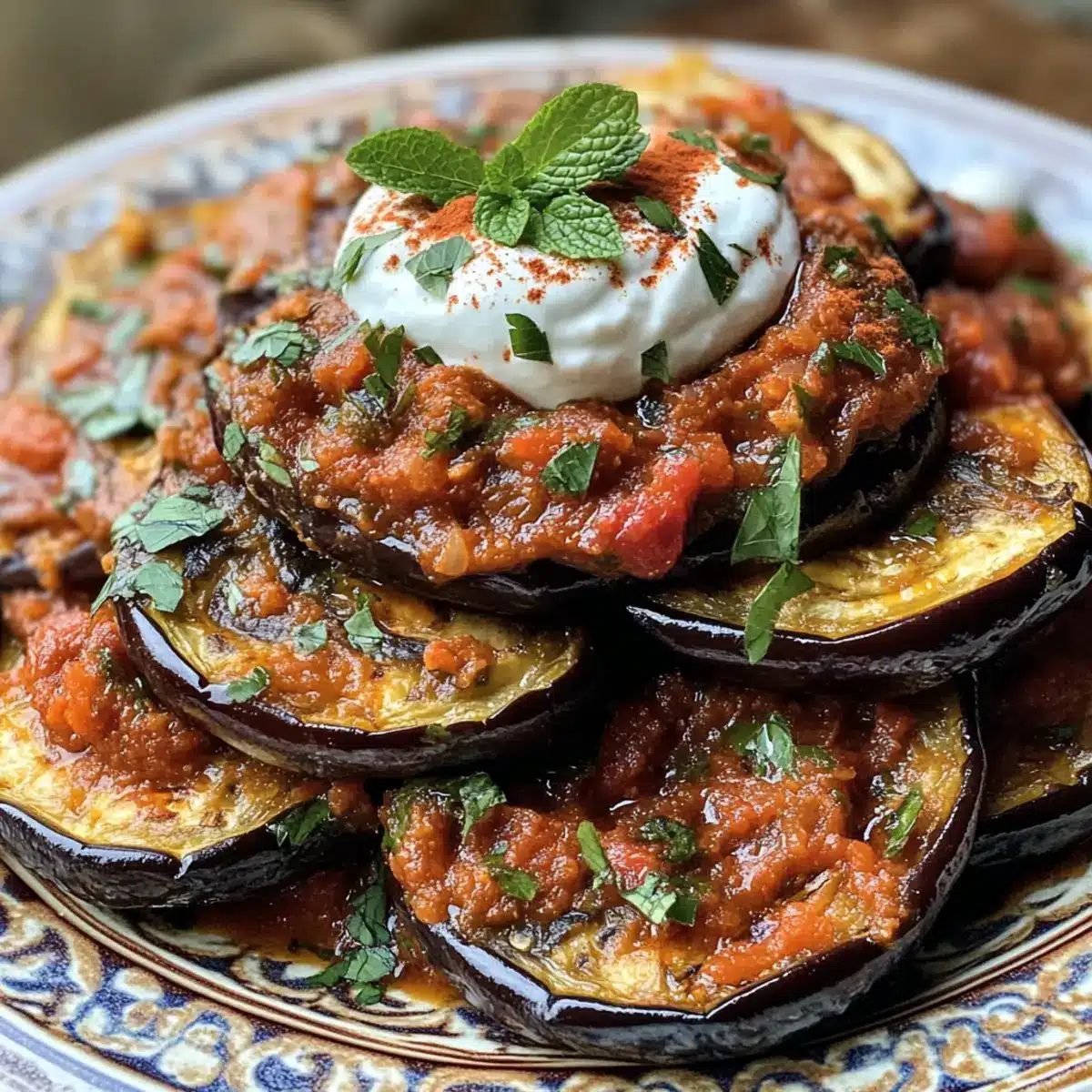
In a serving dish, begin layering by first spreading a dollop of the yogurt sauce at the bottom. Next, add a layer of the fried eggplant slices and spoon over a generous amount of the spiced tomato sauce. Repeat the layering until all ingredients are used, finishing with a layer of yogurt sauce on top. You can sprinkle additional parsley and mint as garnishes for an appealing presentation.
Step 6: Serve
Your Vegan Afghan Eggplant is now ready to be enjoyed! Serve warm or at room temperature, either as a stunning centerpiece or side dish. Pair it with your favorite flatbreads like pita or Afghan bolani for a complete meal experience. Savor every bite of this flavorful and comforting dish, bringing the rich essence of Afghan cuisine to your table.

Expert Tips for Vegan Afghan Eggplant
• Hot Oil Is Key: Ensure the oil is hot, around 350°F, before frying the eggplant. A cold oil leads to sogginess instead of crispy perfection.
• Salt Smartly: Don’t skip salting the eggplant to draw out moisture; however, make sure to rinse it thoroughly to avoid an overly salty dish.
• Single Layer Frying: Fry the eggplant slices in a single layer without overcrowding the skillet. This prevents steaming and allows them to crisp up beautifully.
• Spice Adjustments: Customize the spice levels in the sauce to suit your taste. If you’re sensitive to heat, start with less Aleppo pepper flakes, and add more as needed.
• Use Quality Base Ingredients: Opt for high-quality canned tomatoes and fresh spices. They make a significant difference in the flavor of your Vegan Afghan Eggplant.
• Storage Savvy: Store the components separately in airtight containers in the fridge. Both the sauce and fried eggplant can last up to 4 days, making meal prep a breeze!
What to Serve with Vegan Borani Banjan?
Create a vibrant meal that satisfies both the belly and the soul while showcasing the delightful flavors of Afghan cuisine.
- Warm Pita Bread: Perfect for scooping up the delicious layers of eggplant and sauce, enhancing the dish’s comfort.
- Quinoa Salad: A refreshing side that adds a nutty flavor, contrasting beautifully with the richness of the eggplant.
- Roasted Vegetables: Seasoned with herbs, they provide a crispy texture and vibrant colors that brighten the meal.
- Cucumber and Tomato Salad: This light and refreshing salad cuts through the richness, offering a crunchy, zesty complement.
- Spiced Couscous: Fluffy and infused with spices, couscous makes an excellent base to soak up the flavorful sauce from the eggplant.
- Minty Yogurt Sauce: Drizzling extra yogurt sauce on top adds a fresh, cooling element that enhances every bite of this comforting dish.
- Middle Eastern Red Wine: A glass of fruity red wine pairs wonderfully, enriching your dining experience with earthy notes.
- Baklava: For a sweet finish, this flaky pastry offers a delightful nutty sweetness, creating a perfect ending to your Afghan-inspired meal.
Variations for Vegan Afghan Eggplant
Explore delightful twists on this Vegan Afghan Eggplant and make it uniquely yours!
- Zucchini Swap: Replace eggplant with zucchini slices for a lighter, yet equally delicious option.
- Extra Veggies: Add roasted bell peppers and zucchini to the sauce for a vibrant veggie boost.
- Hearty Grains: Serve over a fluffy bed of quinoa or couscous, making it a more filling main dish.
- Spicy Kick: Increase the Aleppo pepper flakes or add a dash of cayenne for an extra layer of heat.
- Mushroom Magic: Substitute eggplant with portobello mushrooms for a meaty texture and robust flavor.
- Herbal Infusion: Enhance the yogurt sauce with fresh dill or cilantro for a refreshing twist.
- Smoky Flavor: Incorporate smoked paprika in the sauce for a deeper smoky taste that compliments the eggplant beautifully.
- Nutty Garnish: Top with toasted pine nuts or slivered almonds for added texture and richness.
Feeling adventurous in the kitchen? Try pairing this Vegan Afghan Eggplant with my favorite Mini Hasselback Potatoes for a delightful meal that will leave you and your guests craving for more!
How to Store and Freeze Vegan Afghan Eggplant
Fridge: Keep the components of Vegan Afghan Eggplant in separate airtight containers. The fried eggplant and spiced tomato sauce can last for up to 4 days.
Freezer: If you want to freeze the fried eggplant, place it in a single layer on a baking sheet to freeze first, then transfer it to a freezer bag for up to 2 months.
Reheating: When ready to enjoy, reheat the fried eggplant in a hot skillet to restore its crispness for 3–5 minutes. The sauce can be warmed on the stovetop or in the microwave for 1–2 minutes.
Assembly Tip: For best flavor and texture, assemble the dish fresh, combining the yogurt sauce, tomato sauce, and eggplant just before serving.
Make Ahead Options
These Vegan Afghan Eggplants are an absolute delight for meal prep! You can fry the eggplant slices and prepare the spiced tomato sauce up to 3 days in advance, allowing the flavors to deepen while saving you time during a busy week. Simply store the fried eggplant and sauce separately in airtight containers in the refrigerator. When it’s time to serve, reheat the sauce gently on the stove and layer the eggplant as directed, finishing with the yogurt sauce just before serving for that fresh, creamy touch. This way, you’ll enjoy all the vibrant flavors with minimal effort, making your mealtime both easy and satisfying!
Vegan Afghan Eggplant Recipe FAQs
What type of eggplant should I use?
I recommend using medium-sized globe eggplants for the best flavor and texture. Look for eggplants that are firm and have a smooth, shiny skin without dark spots. If you’d prefer a lighter option, zucchini can be a great substitute!
How should I store leftover Vegan Afghan Eggplant?
Store the fried eggplant and the spiced tomato sauce separately in airtight containers in the fridge. Both can safely keep for up to 4 days. Just remember to let them cool completely before sealing them to avoid moisture buildup.
Can I freeze Vegan Afghan Eggplant?
Absolutely! To freeze the fried eggplant, first arrange it in a single layer on a baking sheet and freeze it for about 1–2 hours until solid. Transfer the frozen slices to a freezer bag or airtight container, and they can last up to 2 months. When you’re ready to enjoy, reheat them directly in a hot skillet for about 3–5 minutes to restore their crispy texture.
What should I do if my fried eggplant is soggy?
Don’t worry! If you find your eggplant has turned out soggy, there are a couple of tricks. First, make sure the oil is hot enough (about 350°F) before frying. If the eggplant is already cooked, you can reheat it in a hot skillet to crisp it up, ensuring they’re spaced out to avoid any steaming.
Is this recipe suitable for those with dietary restrictions?
Yes! This Vegan Afghan Eggplant is not only plant-based, but it’s also gluten-free. However, if cooking for someone with allergies, check the specific brands of ingredients like yogurt and tomato products to ensure they meet dietary needs. For pets, avoid letting them sample any dishes with garlic or onion, as these can be harmful to them.
How can I personalize my Vegan Afghan Eggplant?
Feel free to get creative! You can add fresh vegetables like bell peppers or zucchini into the sauce for an extra nutrient boost. Serving it over grains like quinoa or couscous adds heartiness. And remember, the garnishes can be adjusted based on your preferences, so sprinkle on what you love!
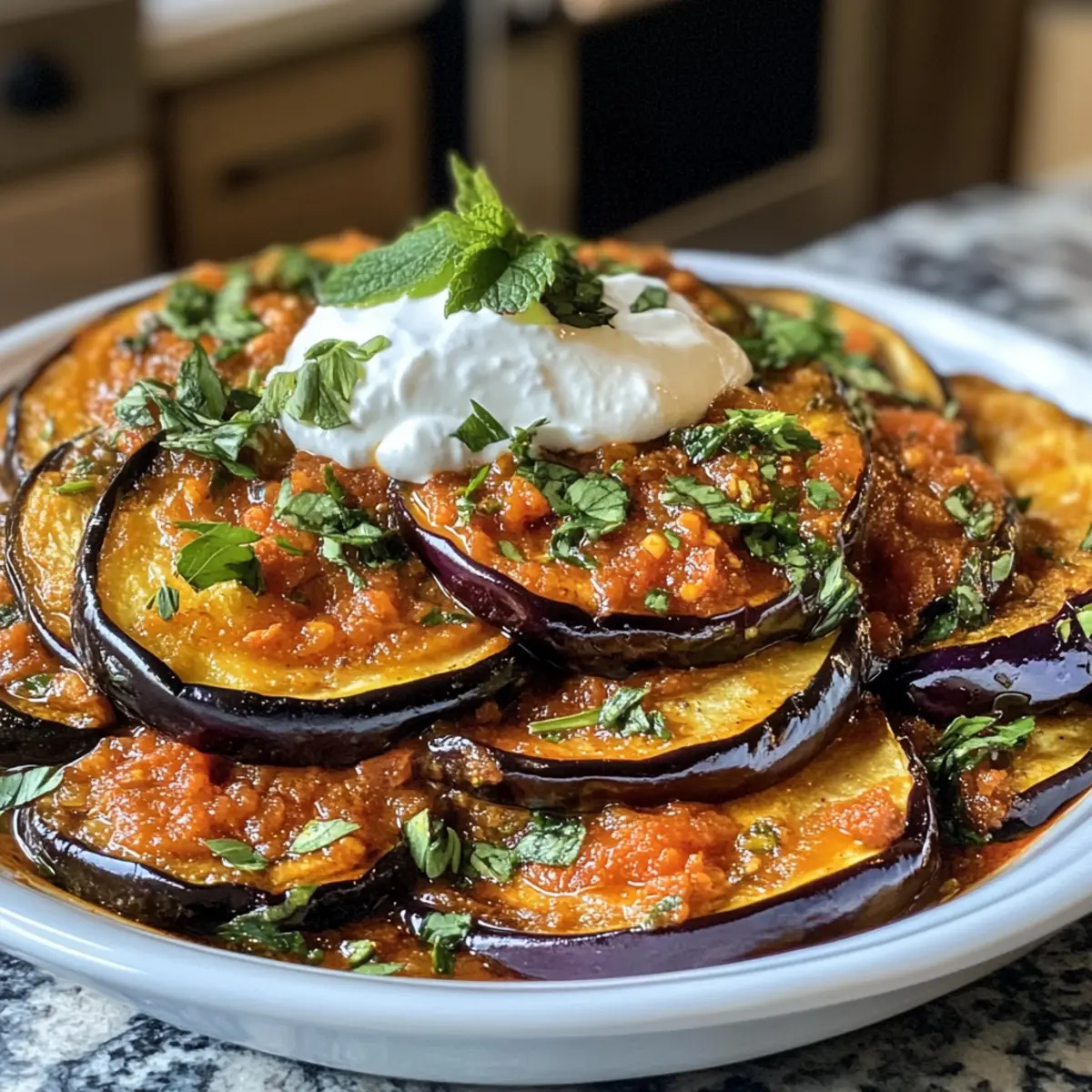
Vegan Afghan Eggplant: Comforting Flavors in Every Bite
Ingredients
Equipment
Method
- Slice the eggplant into rounds about ½-inch thick, sprinkle with salt, and let sit for 30 minutes to draw out moisture.
- Heat frying oil in a large skillet over medium heat. Once hot, add eggplant slices and fry for 3–4 minutes per side until golden brown.
- In a medium saucepan, heat olive oil. Sauté garlic then stir in spices, canned tomatoes, tomato paste, brown sugar, and salt. Simmer for 10 minutes.
- Mix yogurt with lemon zest, minced garlic, fresh mint, parsley, and a pinch of salt until well combined.
- Layer yogurt sauce, fried eggplant, and spiced tomato sauce in a serving dish until all ingredients are used, finishing with yogurt sauce on top.
- Serve warm or at room temperature, paired with flatbreads.
Leave a Reply