
In just five minutes, you’ll be whisked away to a bustling Korean kitchen as you craft this vibrant, homemade Bibimbap Sauce. With just six simple ingredients, this sauce offers a delightful blend of spicy, sweet, and salty notes, elevating any dish it graces. Whether you’re a culinary novice or an experienced home-chef, this quick recipe allows you to customize the spice level to perfectly match your taste preference. Not only is it a breeze to prepare, but it also lives up to its role as a crowd-pleaser, pairing beautifully with everything from rice bowls to dipping sauces. So, are you ready to transform your meals with this irresistible condiment?
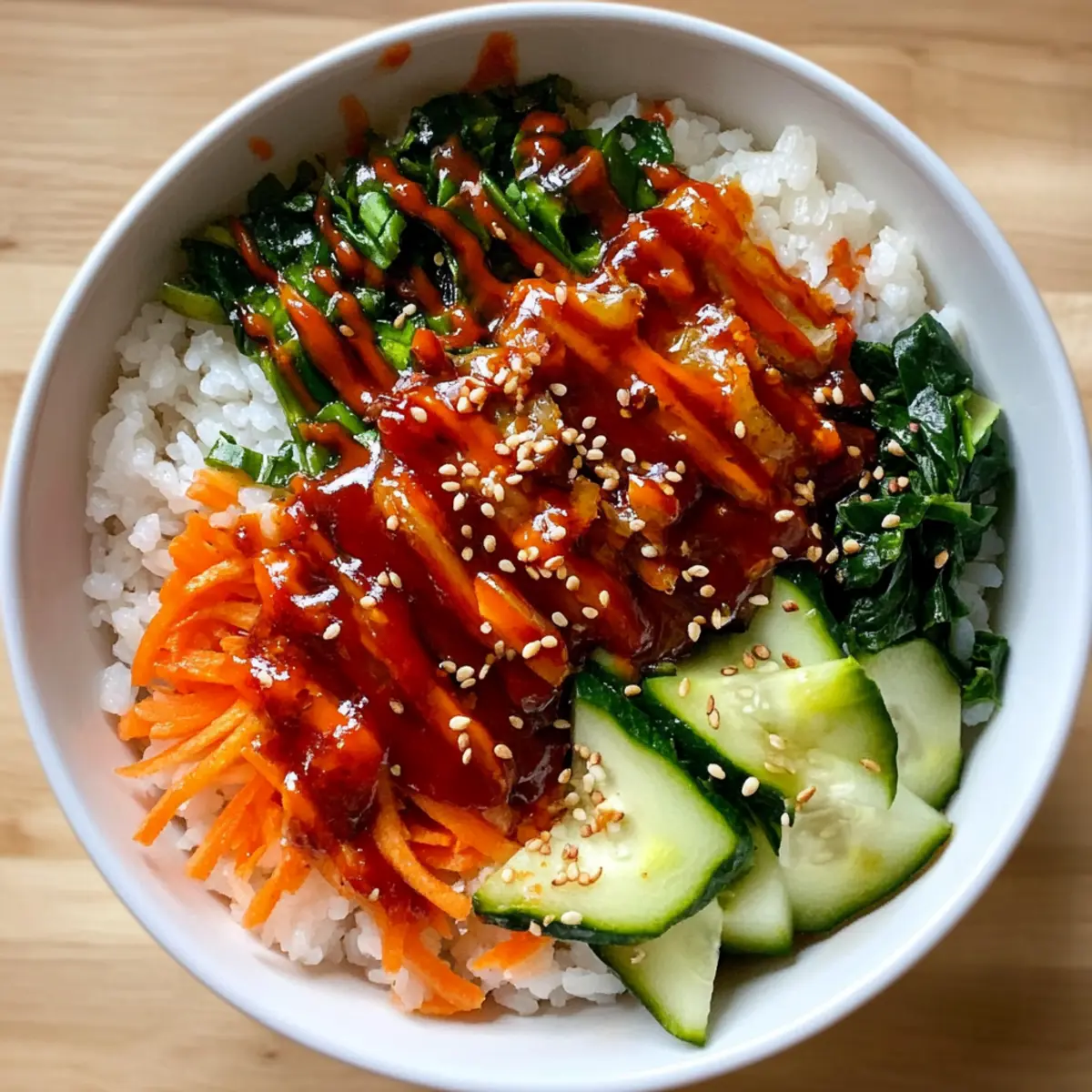
Why Is This Bibimbap Sauce Essential?
Quick, Homemade Delight: You can whip up this sauce in just 5 minutes, making it perfect for busy weeknights or spontaneous gatherings.
Versatile Flavor: Its bold mix of spicy, sweet, and salty notes complements rice bowls, veggies, and even dumplings.
Customizable Kick: Adjust the spice levels to cater to your unique taste, whether you prefer a mild drizzle or a full-on fiery experience.
Few Ingredients, Big Impact: With only 6 pantry staples, this sauce is as easy as it is delicious, sparking joy with every bite.
Meal Prep Friendly: Make it ahead and store for up to 2 weeks, so you always have a vibrant condiment ready to enhance your meals! Want more sauce options? Don’t forget to check out Pumpkin Yogurt Sauce or Bok Choy Sauce for added flavor diversity in your kitchen.
Bibimbap Sauce Ingredients
For the Sauce
- Gochujang – This essential ingredient provides the iconic spice and flavor; you can swap it with a milder chili paste if you prefer less heat.
- Garlic (minced) – Adds depth and aromatic flavor; using fresh garlic elevates the overall taste.
- Toasted Sesame Oil – Contributes a rich, nutty flavor; regular sesame oil is fine, but toasted brings a more robust taste.
- Honey – Balances the heat with sweetness; agave nectar serves as a great vegan substitute.
- Sugar – Enhances overall sweetness; consider maple syrup for a natural alternative if avoiding refined sugars.
- Rice Vinegar – Adds a bright acidity perfect for balance; other mild vinegars like apple cider can be used too.
- Salt (optional) – Boosts overall flavor; adjust according to your personal preference and dietary needs.
Enjoy crafting this delightful Bibimbap Sauce, a quick and easy way to elevate your meals!
Step‑by‑Step Instructions for Bibimbap Sauce
Step 1: Gather Your Ingredients
Start by gathering all your ingredients on the countertop: gochujang, minced garlic, toasted sesame oil, honey, sugar, rice vinegar, and optional salt. This ensures you have everything at hand for a smooth preparation process. A medium-sized mixing bowl and a whisk or spoon will be your main tools for this quick recipe, keeping your workspace organized and efficient.
Step 2: Combine the Base Ingredients
In your mixing bowl, add the gochujang, minced garlic, toasted sesame oil, and honey. Stir these ingredients together for about 30 seconds, ensuring they begin to meld into a thick paste. The vivid red color of the gochujang will start to create a rich foundation for your bibimbap sauce, filling the air with a delightful aroma as you blend.
Step 3: Add Sweetness and Acidity
Now, sprinkle in the sugar and pour the rice vinegar into the mixture. Using your whisk or spoon, combine the ingredients vigorously for another 30 seconds until the sugar dissolves completely and the mixture is smooth and glossy. The sweetness of the honey and sugar will balance the heat, while the vinegar adds a bright note to your bibimbap sauce.
Step 4: Taste and Adjust
Take a moment to taste your bibimbap sauce, noting the flavor balance between spicy, sweet, and tangy. If it’s too spicy for your liking, consider adding a little extra honey or a bit more sugar to soften the heat. For extra acidity, a splash more rice vinegar can enhance its brightness. Mix well and adjust until it’s perfect for your palate.
Step 5: Store or Serve
Once you’re satisfied with the flavor of your bibimbap sauce, you can serve it immediately over your favorite rice bowl creations or use it as a dipping sauce. If you’re making it ahead, transfer the sauce into a glass container with a lid and refrigerate. This sauce can be stored for up to two weeks, ready to amplify the flavors of your meals whenever you need!
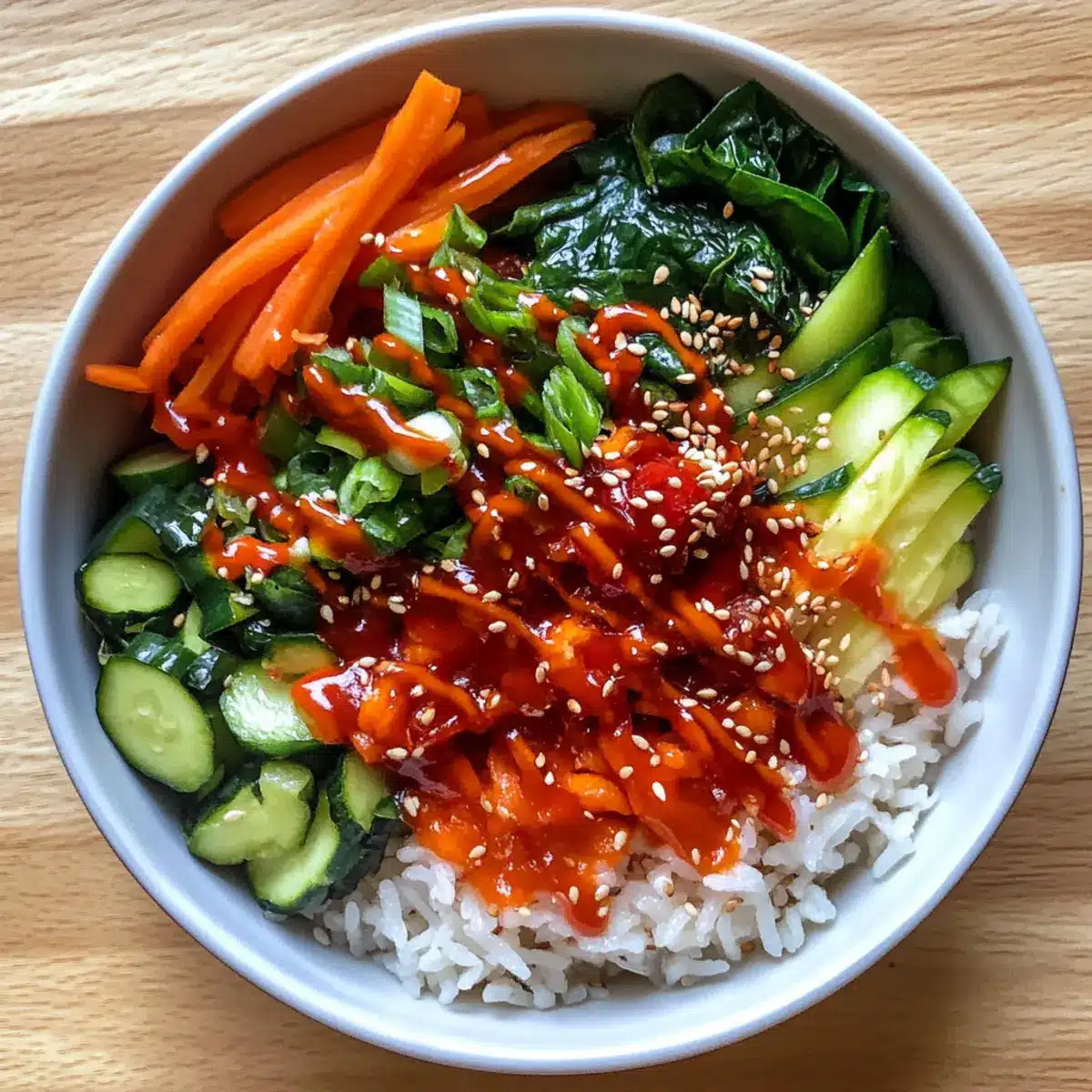
Make Ahead Options
These Bibimbap Sauce preparations are a lifesaver for busy home cooks! You can make the sauce up to two weeks in advance and store it in a glass container in the refrigerator. To ensure the best quality, combine the gochujang, minced garlic, toasted sesame oil, honey, sugar, rice vinegar, and optional salt ahead of time, mixing until smooth. When you’re ready to serve, simply give it a quick stir to refresh the flavors, and adjust sweetness or spice as needed. Preparing this sauce ahead not only saves you precious time during meal prep but also guarantees you’ll have a deliciously vibrant addition ready for your rice bowls and dishes!
How to Store and Freeze Bibimbap Sauce
- Fridge: Store your bibimbap sauce covered in the refrigerator for up to 2 weeks. Use an airtight glass container to keep flavors fresh and avoid staining.
- Freezer: You can freeze the sauce for up to 3 months. Pour it into ice cube trays to create single servings, then transfer to a zip-top bag for easy use later.
- Thawing: When ready to use frozen bibimbap sauce, thaw overnight in the fridge or defrost in the microwave until smooth and ready to serve.
- Reheating: If you prefer it warm, gently heat your bibimbap sauce in a small saucepan over low heat, stirring occasionally to maintain its glossy texture.
Expert Tips for the Best Bibimbap Sauce
- Quality Ingredients Matter: Use high-quality gochujang and fresh garlic for the richest flavor. Lesser quality may leave your bibimbap sauce tasting flat.
- Taste as You Go: Always taste and adjust. Adding more honey or sugar can balance out excess heat, ensuring your bibimbap sauce is just right for your palate.
- Storage Solutions: Opt for a glass container to store your bibimbap sauce. This prevents staining and keeps flavors fresh for longer.
- Experiment with Spice: Remember, you can control the heat! Add more or less gochujang based on your personal spice tolerance for the perfect bibimbap sauce.
- Use Right Away or Later: Serve immediately for a vibrant flavor, or store it for meal prep. It lasts up to 2 weeks in the fridge, ready to elevate any dish!
What to Serve with Easy Homemade Bibimbap Sauce
The vibrant flavor of this sauce opens the door to countless delicious pairings that will have your taste buds dancing.
-
Steamed Rice: This classic base absorbs the sauce’s bold flavor, creating a harmonious blend that’s simply irresistible.
-
Grilled Vegetables: Charred bell peppers, zucchini, and mushrooms add a smoky touch that complements the sauce’s sweetness and spice.
-
Tofu Scramble: Light and fluffy tofu mixed with vegetables can be enhanced by the sauce, providing a satisfying yet healthy experience.
-
Korean Pancakes: Serve with crispy, savory pancakes for a delightful crunch, pairing perfectly with the rich sauce.
-
Savory Dumplings: This sauce acts as a fantastic dipping companion, elevating the flavor profile of your favorite dumplings significantly.
-
Mixed Green Salad: A fresh salad topped with the sauce offers a bright, tangy kick that enhances the crispness of the greens.
-
Cold Noodles: Toss your noodles with the sauce for a refreshing summer dish that’s quick to prepare yet full of flavor.
-
Light Beer or Sparkling Water: Pair your meal with a light drink to cleanse the palate, allowing the sauce to shine through your flavors.
Bibimbap Sauce: Flavorful Customization Ideas
Dive into a world of delicious possibilities by customizing your Bibimbap Sauce to match your unique taste and dietary needs.
- Dairy-Free: Substitute honey with agave nectar for a completely plant-based sweetness.
- Less Spicy: Reduce the amount of gochujang or swap it for a mild chili sauce to keep the heat at bay.
- Umami Boost: Replace honey with sweet soy sauce; it adds depth and enhances the savory notes.
- Zesty Twist: Incorporate a splash of lime juice or freshly grated ginger for a refreshing kick that elevates the sauce.
- Natural Sweetener: Use pure maple syrup instead of refined sugar for a wholesome sweetness that complements the other flavors beautifully.
- Vinegar Variation: If rice vinegar is not available, apple cider vinegar works perfectly and offers a subtle fruity note.
- Smoky Flavor: Add a dash of smoked paprika for a slightly smokey undertone that pairs well with grilled meats or veggies.
- Herb-Infused: Try adding finely chopped green onions or cilantro for an aromatic finish that brightens the sauce.
For more delicious dips, you might enjoy trying out the Pumpkin Yogurt Sauce or the tasty Bok Choy Sauce. Explore the variations and enjoy crafting a Bibimbap Sauce tailored just for you!
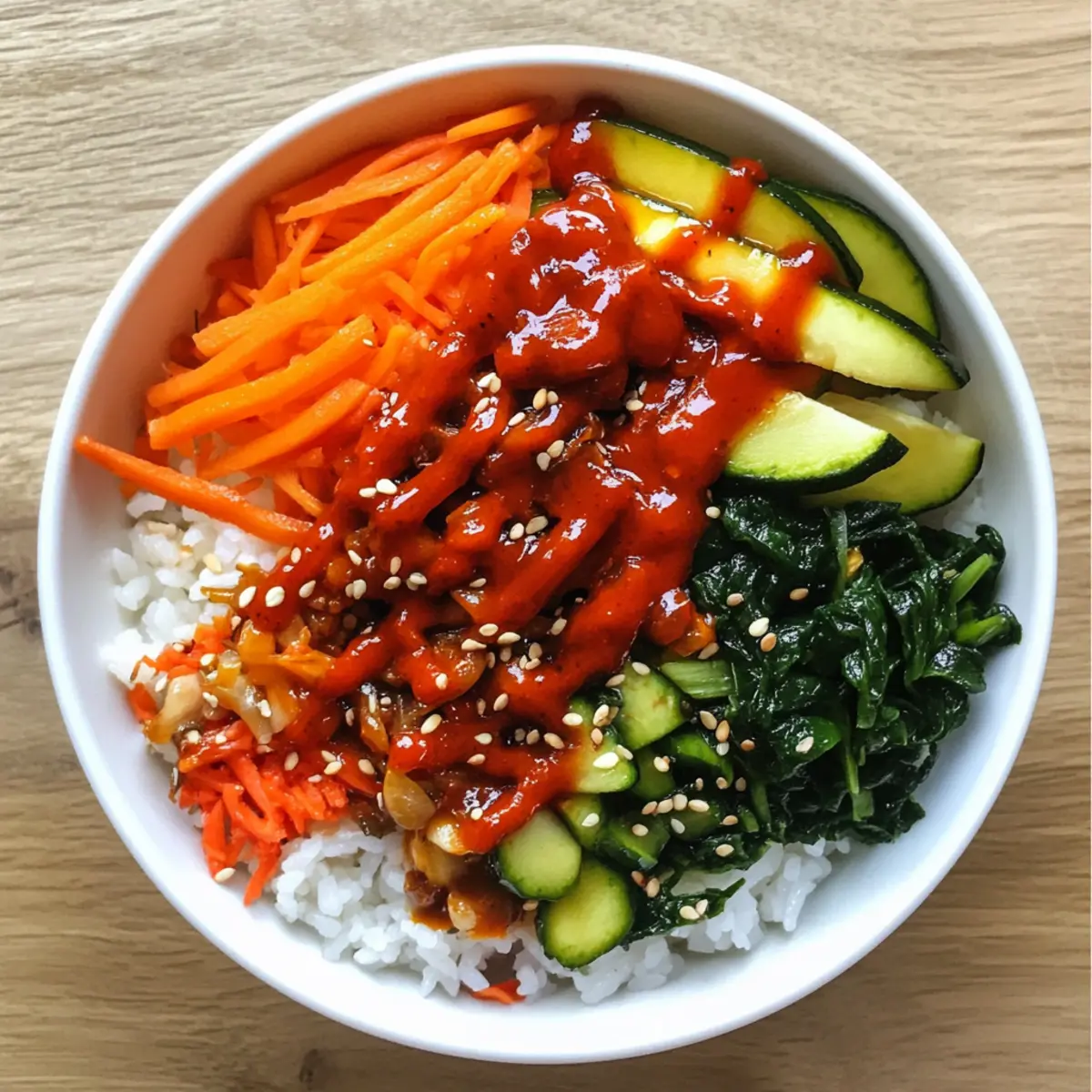
Bibimbap Sauce Recipe FAQs
What type of gochujang should I use for bibimbap sauce?
Absolutely use high-quality gochujang for an authentic flavor! Look for brands that offer a rich, vibrant red color without too many additives. If you’re sensitive to spice, you can substitute it with a milder chili paste, but that will adjust the flavor profile.
How should I store the bibimbap sauce, and how long will it last?
Store your bibimbap sauce in an airtight glass container for up to 2 weeks in the refrigerator. This method prevents staining from the gochujang and keeps the flavors fresh and bright. Always label the container with the date so you can keep track of its freshness!
Can I freeze bibimbap sauce for later use?
Yes, you can freeze the bibimbap sauce for up to 3 months! Pour the sauce into ice cube trays for single servings, allowing for easy access later. Once frozen, transfer the cubes to a zip-top bag to save space.
What should I do if my bibimbap sauce is too spicy?
If your sauce turns out spicier than anticipated, don’t worry! You can balance it by adding a bit more honey or sugar to mellow the heat. Start with just a teaspoon at a time, tasting as you go to achieve the right balance for your palate.
Is this bibimbap sauce suitable for people with allergies?
Be mindful of any allergies you or your guests may have! This sauce contains gochujang, which may contain gluten, so look for gluten-free brands if needed. If you’re avoiding honey, agave syrup is a great vegan alternative, and other ingredients are generally safe for most dietary needs.
How can I customize the spice level in bibimbap sauce?
The more the merrier when it comes to personalizing! Start by adding a smaller amount of gochujang, tasting as you go. For a milder sauce, combine it with a bit more honey and extra vinegar to maintain balance while reducing heat.
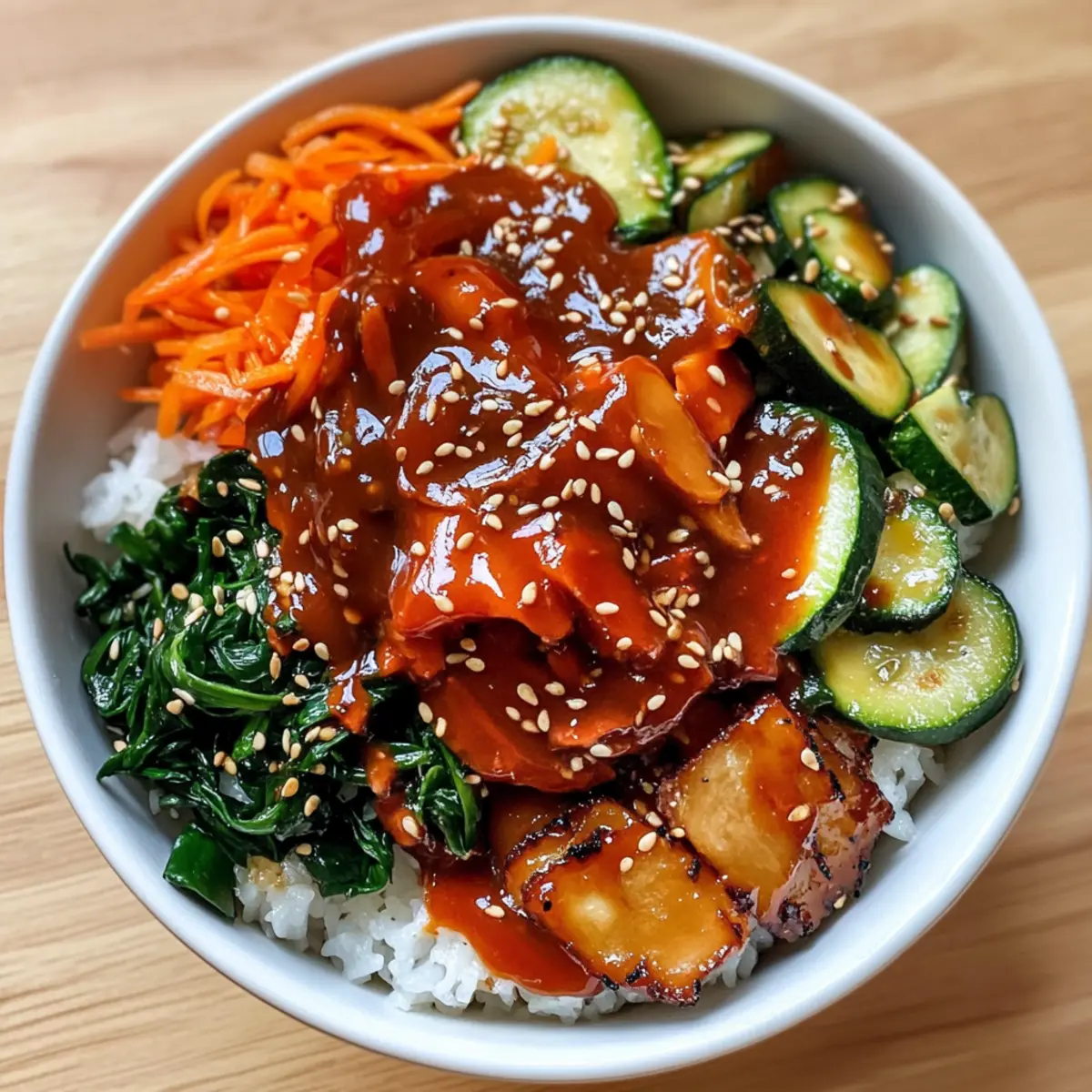
Bibimbap Sauce: Bold, Flavor-Packed in Just 5 Minutes
Ingredients
Equipment
Method
- Gather all ingredients: gochujang, minced garlic, toasted sesame oil, honey, sugar, rice vinegar, and salt.
- In a mixing bowl, add gochujang, minced garlic, toasted sesame oil, and honey. Stir for about 30 seconds.
- Sprinkle in sugar and pour rice vinegar. Combine vigorously for another 30 seconds.
- Taste the sauce and adjust sweetness or acidity as needed.
- Serve immediately or transfer to a glass container for storage. Refrigerate for up to 2 weeks.
Leave a Reply