
As I rushed through the bustling market, the air filled with the enticing aroma of ginger and soy intertwined with bustling conversations and laughter. It struck me—nothing beats a dish that whisks you away to that vibrant world right in your own kitchen. This Simple Asian Fish with Ginger and Soy recipe does just that! So quick to whip up and incredibly adaptable, it allows you to use any kind of mild white fish that calls to you, turning busy weeknights into a delightful culinary experience. Not only is this dish gluten-free, but it’s also a crowd-pleaser that satisfies those home-cooked cravings without any fuss. Ready to make dinner an adventure? Let’s dive in!
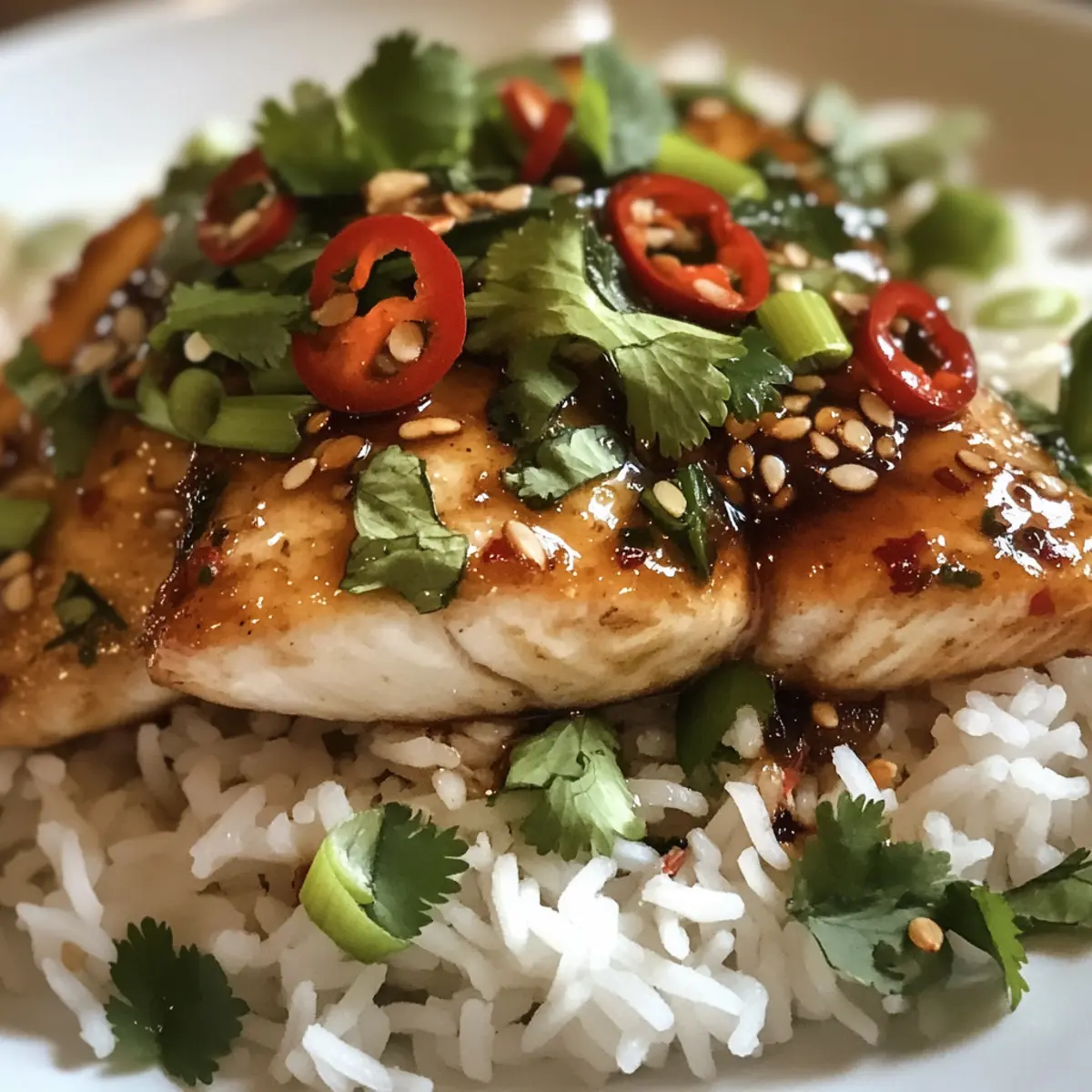
Why is Asian Fish with Ginger and Soy amazing?
Quick preparation: This recipe comes together in just 30 minutes, making it an ideal solution for busy weeknights when time is of the essence.
Endless adaptability: Whether you have tilapia, cod, or another white fish at hand, this dish allows you to customize it based on your pantry staples or personal preferences.
Savory depth: Infused with rich flavors from soy sauce, fresh ginger, and sesame oil, each bite offers a burst of deliciousness that mirrors restaurant-quality meals.
Healthy and satisfying: Packed with protein and gluten-free, it pairs beautifully with steamed rice or a refreshing cucumber salad, ensuring a well-rounded meal choice.
Crowd-pleasing goodness: Friends and family will adore this dish, perfect for impressing guests or simply enjoying a comforting dinner at home. Try it alongside mouthwatering options like Turkey Meatballs with Cranberry Glaze for varied flavors!
Asian Fish with Ginger and Soy Ingredients
For the Fish
• Tilapia fillets – The main protein; feel free to substitute with cod, basa, or any other mild white fish.
• Salt – Enhances flavor; adjust according to your fish and preference.
• White pepper – Adds a subtle heat; black pepper is a suitable substitute if needed.
• Cornstarch – Provides a crispy texture on the fish when fried.
• Neutral oil (canola or peanut) – Essential for frying, ensuring the fish cooks evenly and crisps up beautifully.
For the Sauce
• Light soy sauce – The flavor base, contributing saltiness and umami; low-sodium versions can be used for a healthier option.
• Fresh ginger – Adds aromatic, lively flavor; best when julienned or minced.
• Water – Adjusts the sauce’s consistency to your liking.
• Sesame oil – Imparts a rich, nutty flavor that elevates the dish.
• Rice wine vinegar – Introduces a touch of acidity; apple cider vinegar works in a pinch.
• Sugar – Balances the savory notes of the sauce.
• Chili crisp – Adds a flavorful kick; substitute with sriracha or leave out if you prefer less spice.
For Garnishing and Serving
• Green onions – Freshness and crunch; chives are an excellent alternative.
• Fresh cilantro – For garnish and an added layer of flavor; optional if you’re not a fan of herbs.
• Red chili – Adds heat; you can substitute with jalapeños or skip altogether.
• Lime wedges – Brightens the dish and provides acidity when served.
This Simple Asian Fish with Ginger and Soy recipe is not only delicious but also aims to be your go-to adaptable fish recipe, perfect for busy weeknights!
Step‑by‑Step Instructions for Asian Fish with Ginger and Soy
Step 1: Prep Toppings
Begin by preparing the garnishes as they add vibrant flavor to your Asian Fish with Ginger and Soy. Julienne about an inch of fresh ginger for aromatic depth, thinly slice a red chili for a hint of heat, and snip fresh cilantro for brightness. Lastly, cut lime wedges to serve alongside the fish, enhancing its flavor with a zesty finish.
Step 2: Coat Fish
Next, it’s time to coat your tilapia fillets to ensure they turn crispy while cooking. In a shallow dish, mix salt, white pepper, and cornstarch until well combined. Gently press each fish fillet into the mixture, fully coating both sides, then set them aside on a plate. This step will help create that delightful texture you crave.
Step 3: Make Sauce
Now, let’s whip up the savory sauce to elevate your Asian Fish with Ginger and Soy. In a medium bowl, mix together the julienned ginger, light soy sauce, water, sesame oil, rice wine vinegar, sugar, and chili crisp. Stir until the sugar dissolves and everything is well incorporated. The mixture should have a rich aroma that promises delicious flavor.
Step 4: Cook Fish
Heat 2-3 tablespoons of neutral oil in a large skillet over medium-high heat until shimmering, ensuring the oil is hot but not smoking. Carefully lay the coated fish fillets in the pan in a single layer. Cook for about 3 minutes or until the underside is golden brown and crispy. Gently flip each fillet with a spatula to avoid breaking.
Step 5: Add Sauce
Once the fish is browned, pour the prepared sauce over the fillets, ensuring each piece is drenched. Reduce the heat to a gentle simmer and cover the skillet. Allow the fish to simmer for 3-4 minutes, or until fully cooked through and reaches an internal temperature of 145°F. The sauce will thicken slightly and coat the fish beautifully.
Step 6: Garnish and Serve
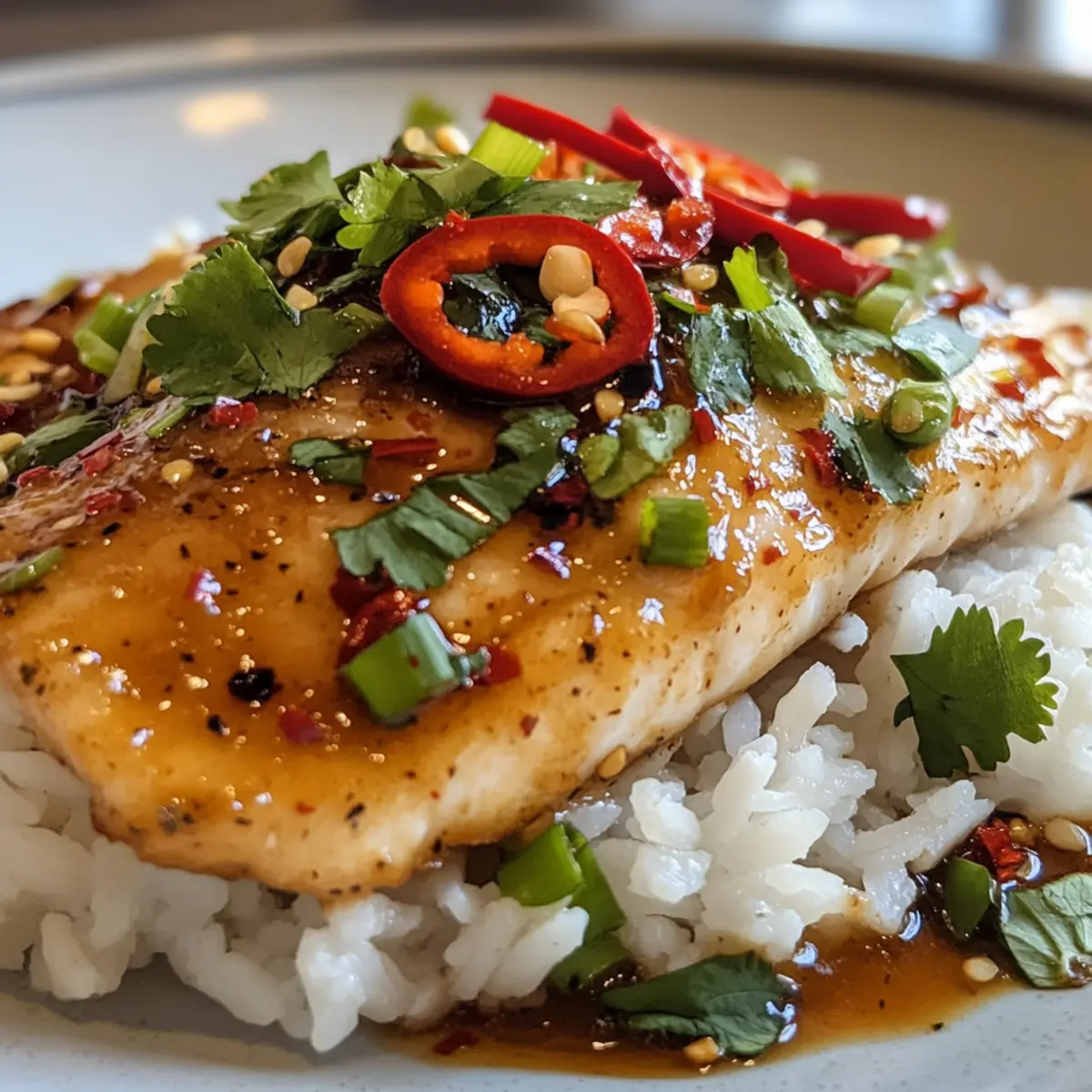
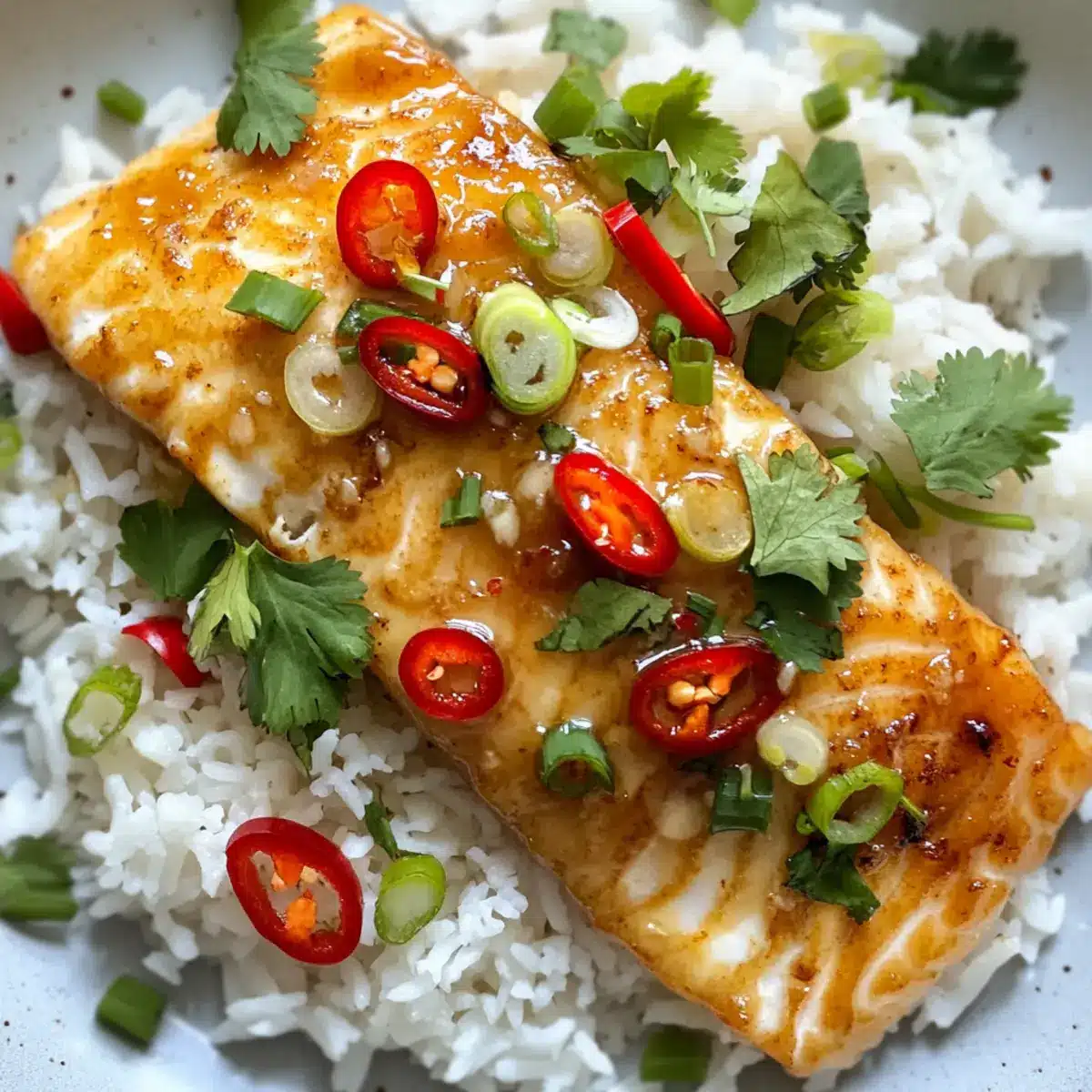
Plate your delicious Asian Fish with Ginger and Soy fillets and pour the remaining sauce from the skillet over them. Finish by topping with sliced green onions, a sprinkle of cilantro, and chopped red chili for a fresh kick. Serve hot with lime wedges on the side, allowing everyone to add a burst of citrus to their dish.
Make Ahead Options
These Simple Asian Fish with Ginger and Soy are perfect for meal prep enthusiasts! You can prepare the sauce up to 3 days in advance, allowing the flavors to meld beautifully. Simply mix the ginger, soy sauce, water, sesame oil, vinegar, sugar, and chili crisp in a bowl and refrigerate in an airtight container. Additionally, you can coat the fish fillets with salt, white pepper, and cornstarch and store them in the fridge for up to 24 hours for optimal crispiness. When you’re ready to cook, simply heat the oil, fry the fish until golden, add the sauce, and simmer until done for a restaurant-quality meal with minimal effort!
How to Store and Freeze Asian Fish with Ginger and Soy
Fridge: Store leftover fish in an airtight container submerged in the sauce for up to 2 days; this will help maintain moisture and flavor.
Freezer: You can freeze the cooked fish for up to 2 months. Wrap it tightly in plastic wrap and then place it in an airtight container or freezer bag.
Reheating: To reheat, thaw in the fridge overnight, then warm gently in a skillet over low heat until heated through, adding a splash of water if needed to revitalize the sauce.
Make-Ahead Tip: If you’re prepping ahead of time, consider marinating the fish in soy sauce and ginger for enhanced flavor before cooking on the day you plan to serve!
What to Serve with Simple Asian Fish with Ginger and Soy
Elevate your dining experience by pairing this savory dish with complementary sides that enhance its vibrant flavors and textures.
-
Steamed White Rice: The perfect base that soaks up the delicious sauce, making every bite delightful and filling.
-
Cool Cucumber Salad: A refreshing and crunchy counterpart that balances the warmth and richness of the fish. Dressed simply with vinegar and sesame oil, it offers a light contrast.
-
Chinese Eggplant with Oyster Sauce: This dish adds a luxurious umami flavor that harmonizes beautifully with the fish, bringing a touch of earthiness to the meal.
-
Sesame Broccoli: This bright, tender green adds a crisp, nutty flavor that complements the ginger notes in the fish while offering a nutritional boost.
-
Fresh Spring Rolls: Light and packed with vibrant vegetables, they provide a fresh, crunchy texture that pairs well with the savory sauce and delicate fish.
-
Chilled Sake: Enjoy a soothing glass of this traditional Japanese wine to enhance the flavors; its warm notes beautifully mingle with the dish’s spices.
Indulging in these pairings will create a well-rounded meal that transports you to the heart of Asian culinary traditions!
Expert Tips for Asian Fish with Ginger and Soy
-
Dry the Fish: Ensuring your fish fillets are completely dried before coating them with cornstarch will yield a beautifully crisp texture while cooking.
-
Don’t Overcrowd: Avoid overcrowding the skillet when cooking the fish. This ensures even cooking and prevents steaming, which can result in a soggy fish texture.
-
Adjust Spice Levels: For those sensitive to spice, start with a small amount of chili crisp and taste the sauce before adding more. You can always increase the heat but not decrease it!
-
Use Fresh Ingredients: Fresh ginger greatly enhances the dish’s flavor; dried ginger won’t provide the same aromatic essence. Make it fresh for a bold, vibrant taste!
-
Simmer Gently: Aim for a gentle simmer when adding sauce to the fish. This precaution helps prevent overcooking and keeps your fish tender and flaky throughout preparation.
-
Store Smartly: Leftover Asian Fish with Ginger and Soy can be stored in an airtight container in the sauce, but consume within two days for the best flavor and texture.
Asian Fish with Ginger and Soy Variations
Feel free to let your creativity shine by customizing this delightful dish to suit your taste and dietary needs.
-
Different Fish: Swap tilapia for cod, flounder, or any mild white fish you prefer for a unique twist.
-
Gluten-Free: Use tamari or coconut aminos in place of soy sauce for a gluten-free alternative without sacrificing flavor.
-
Spicier Kick: Increase the heat by adding more chili crisp, or switch it for fresh diced jalapeños for extra zing.
-
Creamy Element: Stir in a splash of coconut milk to the sauce for a rich, creamy variation that enhances the umami.
-
Veggie Boost: Add vibrant vegetables like bell peppers or snap peas to the skillet while the fish cooks for extra color and nutrition.
-
Rice Variations: Serve the fish over quinoa or cauliflower rice instead of traditional white rice for a healthy twist that’s still satisfying.
-
Cilantro Alternative: If you’re not a fan of cilantro, try using fresh basil or parsley for a different herbaceous note.
-
Make it a Bowl: Transform it into a delightful rice bowl by layering the fish over cooked rice and adding pickled vegetables for crunch and tang.
These variations are just a starting point—dive into your pantry and get creative! For more flavorsome options, consider pairing it with something like Sweet Potato Rounds with Honey Feta or a side of refreshing Bok Choy Ginger. Enjoy the fun of making this recipe uniquely yours!
Asian Fish with Ginger and Soy Recipe FAQs
How should I select the fish for this recipe?
Absolutely! When choosing your fish, look for fillets that are firm and glossy, avoiding any with dark spots or strong fishy odors. Fresh tilapia is a great choice, but feel free to substitute with other mild white fish like cod, basa, or catfish. Just ensure they are of good quality for the best results in your Asian Fish with Ginger and Soy dish!
What is the best way to store leftovers?
Very! To store your Asian Fish with Ginger and Soy, place the leftovers in an airtight container immersed in the sauce, which helps retain moisture and flavor. It’s best to enjoy them within 2 days for optimal freshness and taste. Just remember to refrigerate promptly after cooling down.
Can I freeze the cooked fish?
Definitely! You can freeze the cooked Asian Fish with Ginger and Soy for up to 2 months. Wrap the fish tightly in plastic wrap and then place it inside an airtight container or zip-top freezer bag for protection against freezer burn. To reheat, simply thaw in the fridge overnight, then warm gently in a skillet with a splash of water to refresh the sauce!
What if my fish turns out dry or overcooked?
Oh no! If you find your fish has turned out dry, it may have been overcooked. To avoid this next time, monitor the cooking time carefully—aim for 3 minutes per side and check for an internal temperature of 145°F. If you’re reheating, try using lower heat and add a bit of water to help maintain moisture in the fish.
Is this recipe appropriate for gluten-sensitive individuals?
Yes, it is! The Asian Fish with Ginger and Soy can easily be made gluten-free by using tamari or a gluten-free soy sauce alternative instead of regular soy sauce. Always check labels on the sauces and condiments to ensure they meet gluten-free standards for your dietary needs!
Can I substitute fresh ginger with dried ginger?
While you can use dried ginger in a pinch, fresh ginger is highly recommended for this recipe! It adds that aromatic burst of flavor that truly elevates the dish. If you must use dried ginger, start with a smaller amount (about 1/4 of what the recipe calls for) as it is more concentrated in flavor.
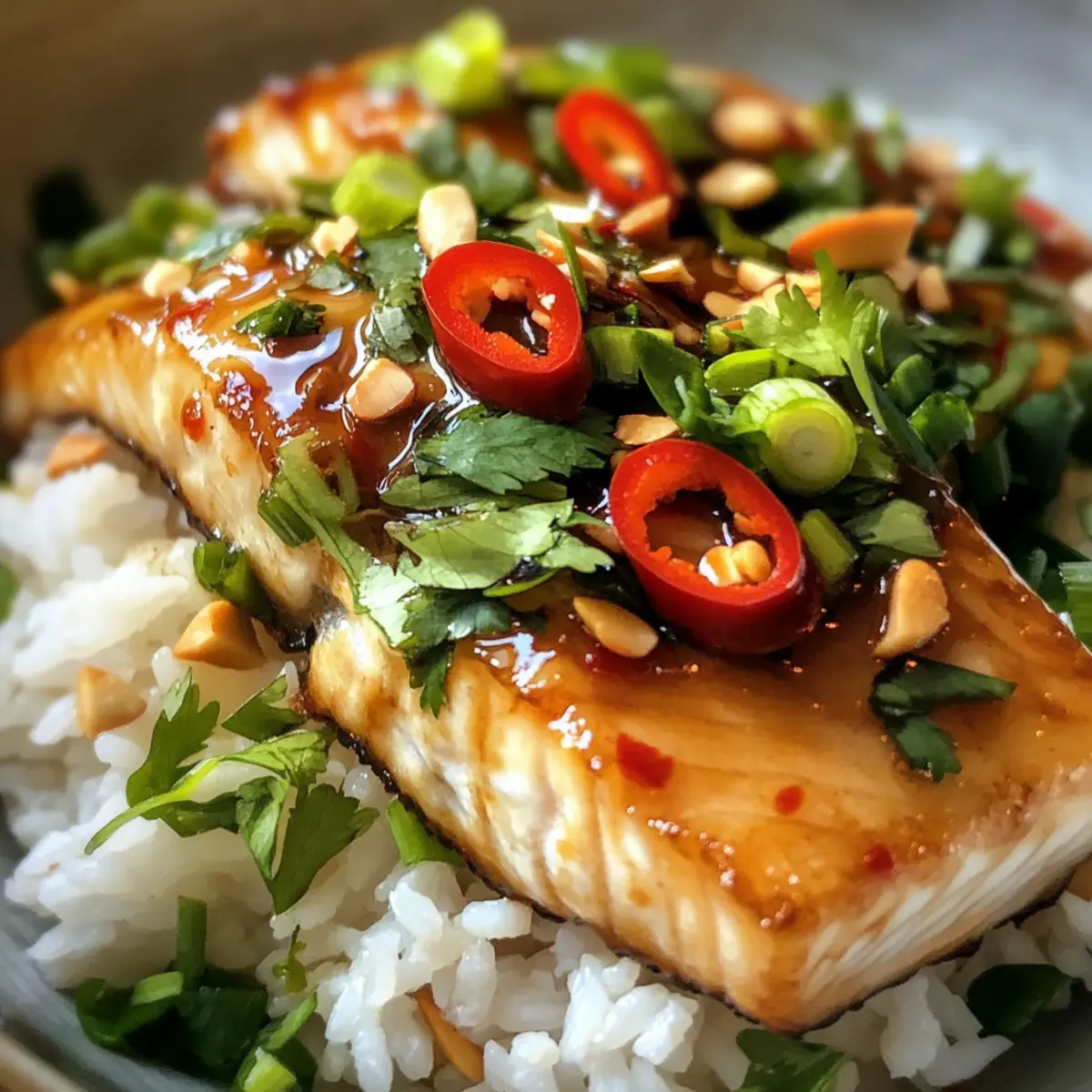
Asian Fish with Ginger and Soy: A Flavorful Dinner in Minutes
Ingredients
Equipment
Method
- Julienne about an inch of fresh ginger, thinly slice a red chili, snip fresh cilantro, and cut lime wedges.
- In a shallow dish, mix salt, white pepper, and cornstarch. Coat each tilapia fillet in the mixture.
- In a medium bowl, combine julienned ginger, light soy sauce, water, sesame oil, rice wine vinegar, sugar, and chili crisp.
- Heat 2-3 tablespoons of neutral oil in a skillet. Cook the coated fish fillets for about 3 minutes, flipping halfway.
- Pour the prepared sauce over the fish and simmer for 3-4 minutes until cooked through.
- Plate the fish, pour sauce over, and garnish with green onions, cilantro, and red chili. Serve with lime wedges.
Leave a Reply