
As I stood in front of my pantry, I realized that sometimes all it takes is a handful of ingredients to create magic in the kitchen. This is where my love for Bibimbap Sauce sparked a delightful culinary adventure. In just 5 minutes and with only 6 everyday ingredients, I found the perfect blend of spicy, sweet, and savory flavors that can transform any simple rice bowl into a satisfying feast. Not only is this sauce quick to whip up, but it’s also a versatile gem that caters to varying spice preferences, making it a go-to for any meal. Whether you’re embracing the healthiness of vegetarian dishes or simply looking to break free from the fast-food loop, this authentic Korean sauce will elevate your cooking game. Ready to add a burst of flavor to your dinner? Let’s dive into making this delicious sauce!
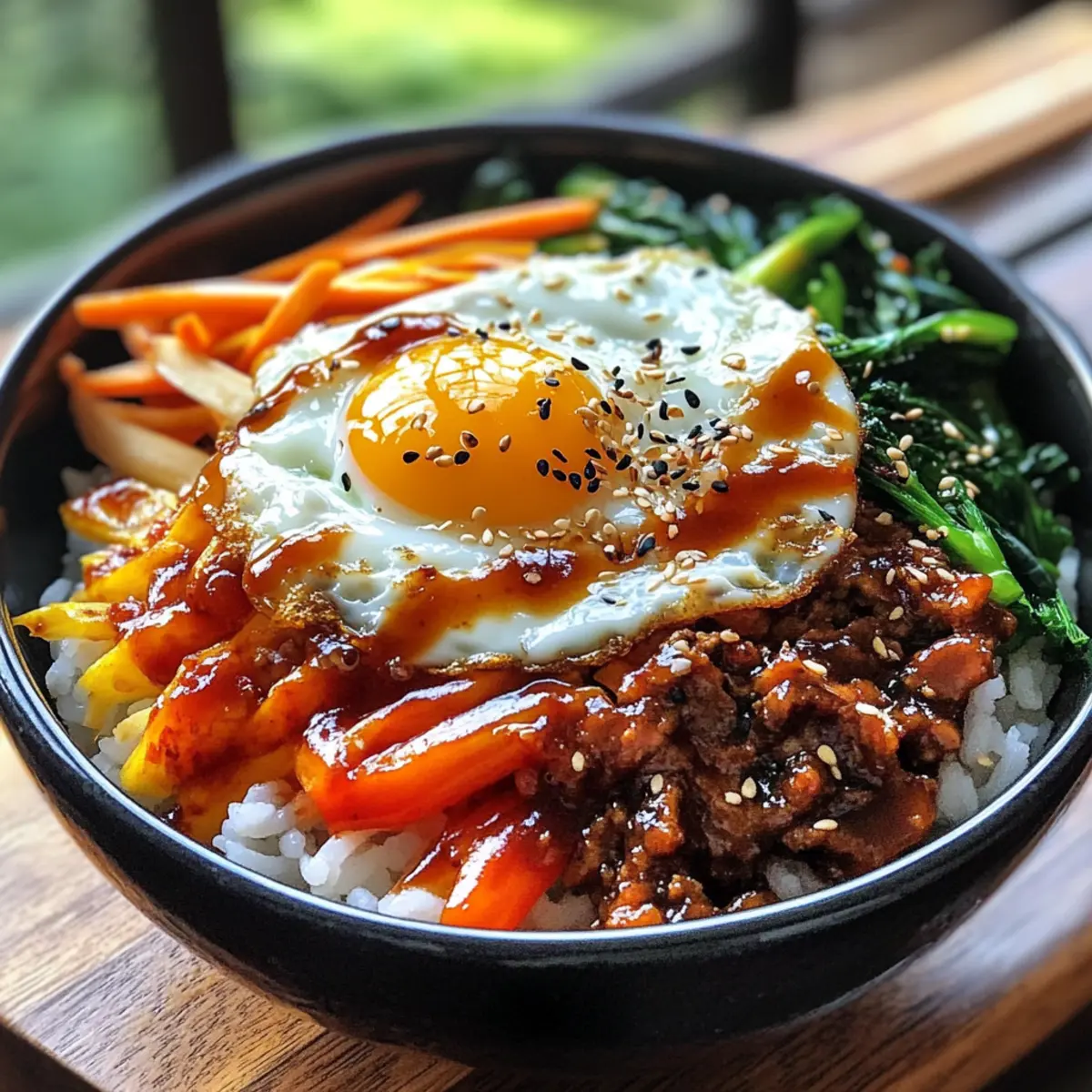
Why is Bibimbap Sauce a Must-Try?
Quick preparation makes this sauce a lifesaver for busy weeknights, ready in just 5 minutes! Authentic flavors bring a taste of Korea to your table, transforming everyday ingredients into something extraordinary. Versatile usage ensures it pairs beautifully with various dishes—try it drizzled over warm rice or mixed into stir-fries. Plus, it’s crowd-pleasing; your guests will rave about this unique twist on their favorite meals. With so much goodness in a simple recipe, you’ll find yourself reaching for it time and again! For an extra flavor boost, consider pairing it with Mushrooms Browned Butter to your next bibimbap creation!
Bibimbap Sauce Ingredients
• Elevate your dishes with these essentials!
For the Sauce
- Gochujang – Provides spice and umami; adjust quantity based on your heat preference.
- Garlic (minced) – Adds sharpness and depth; pre-minced garlic can save you time.
- Toasted sesame oil – Introduces a rich, nutty aroma; regular sesame oil can be used, but toasted enhances flavor wonderfully.
- Honey – Balances the heat with sweetness; swap for agave nectar if you’re looking for a vegan option.
- Sugar – Provides additional sweetness; feel free to omit if you prefer a less sweet sauce.
- Rice vinegar – Contributes tanginess; apple cider vinegar can be a suitable substitute.
- Salt (optional) – Enhances overall flavor; adjust to taste if using already salted ingredients.
This Bibimbap sauce will not only complement your rice bowls but also breathe life into a variety of meals!
Step‑by‑Step Instructions for Bibimbap Sauce
Step 1: Gather Your Ingredients
Start by gathering all your ingredients: gochujang, minced garlic, toasted sesame oil, honey, sugar, rice vinegar, and salt. Make sure your measuring spoons and a medium mixing bowl are within reach. This will set you up for a smooth preparation process, ensuring you have everything ready to create your delicious Bibimbap sauce.
Step 2: Combine Ingredients
In the mixing bowl, place three tablespoons of gochujang, one minced garlic clove, two teaspoons of toasted sesame oil, one tablespoon of honey, and one teaspoon of sugar. Pour in one tablespoon of rice vinegar and a pinch of salt if desired. Give the mixture a good visual inspection to ensure each ingredient is present and accounted for, setting the stage for an authentic flavor explosion.
Step 3: Mix Thoroughly
Using a whisk or a fork, stir the ingredients together vigorously for about 30 seconds. Your goal is to create a smooth, cohesive sauce without any lumps. The rich, glossy texture should become apparent as you mix. Take a moment to admire the vibrant color of your future Bibimbap sauce, showcasing the beautiful blend of flavors.
Step 4: Taste and Adjust
Now that you have your sauce mixed, take a small taste. Here’s where you can adjust the flavors! If you prefer it spicier, add a touch more gochujang; for sweetness, consider additional honey or sugar. Remember, the Bibimbap sauce should have a perfect balance of spicy, sweet, and savory—adjust until it’s just right for your palate.
Step 5: Serve or Store
Once you’re satisfied with the flavor, you can serve your Bibimbap sauce immediately or store it for later use. If serving now, drizzle it over a warm rice bowl topped with your favorite veggies and proteins. To store, pour the sauce into a glass container, ensuring it’s sealed well; refrigerate for up to two weeks.
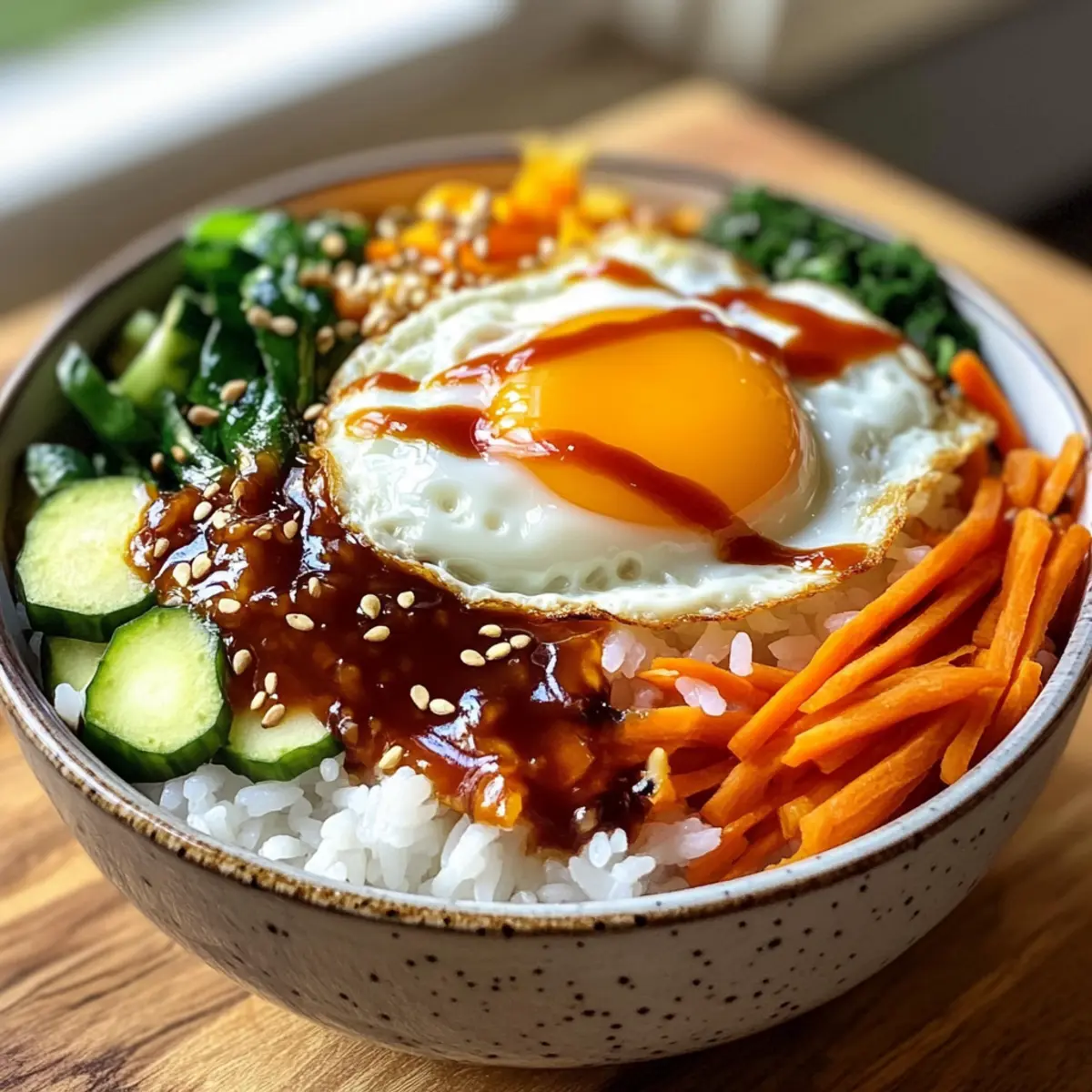
How to Store and Freeze Bibimbap Sauce
Fridge: Store your Bibimbap sauce in a sealed glass jar in the refrigerator for up to 2 weeks. This helps maintain its vibrant flavor and texture.
Freezer: If you’d like to keep it longer, pour the sauce into an airtight container or freezer bag and freeze for up to 3 months. Thaw in the fridge before using.
Reheating: When ready to enjoy, simply stir the sauce to recombine the ingredients, as separation may occur. If it thickens in the fridge, mix in a small amount of water to achieve the desired consistency.
Bibimbap Sauce Variations & Substitutions
Feel free to personalize this Bibimbap sauce to suit your taste buds and pantry supplies!
-
Spicy Twist: Add a teaspoon of sriracha for an extra kick of heat that’ll make your sauce sizzle.
-
Sweet Soy Sauce: Swap honey for sweet soy sauce to introduce deeper umami flavors; it transforms the sauce into a delightful glaze.
-
Fresh Aromatics: Toss in finely chopped green onions or chives for a fresh and crunchy texture that brightens up the sauce.
-
Nutty Addition: Mix in a teaspoon of ground sesame seeds for an extra nuttiness that complements the sesame oil beautifully.
-
Citrus Zing: Add a splash of fresh lime or lemon juice for a zesty flavor twist that livens up your Bibimbap.
-
Creamy Variation: Stir in a dollop of yogurt or tahini for a creamy texture that can mellow out the spice for the unaccustomed palates.
For a full flavor experience, consider pairing this sauce with Pumpkin Yogurt Sauce to enrich your bibimbap bowl. The contrast will surprise and delight your taste buds! Enjoy exploring these variations!
Expert Tips for Bibimbap Sauce
-
Adjust Spice Level: Start with less gochujang and gradually add more to achieve your preferred heat. This way, everyone can enjoy your Bibimbap sauce.
-
Storage Matters: Store your sauce in a glass container to prevent staining and keep it fresh in the fridge for up to two weeks.
-
Mixing Techniques: Ensure you mix thoroughly until smooth to avoid any lumps; a whisk or fork works wonders for achieving the perfect consistency.
-
Taste and Adjust: Always taste your sauce before serving. You can modify sweetness or spice to suit your liking, ensuring the balance of flavors is just right.
-
Use Fresh Ingredients: Fresh garlic and quality gochujang make a noticeable difference in flavor, so choose wisely for your delicious Bibimbap sauce!
What to Serve with Quick and Easy Bibimbap Sauce
Imagine transforming your dinner table into a vibrant feast, where each dish complements the bold flavors of Korea and delights every palate.
- Warm Rice Bowl: A perfect base for Bibimbap sauce; the warm rice soaks up the sauce’s rich flavors, creating a satisfying meal.
- Grilled Vegetables: Charred zucchini, peppers, and carrots add a smoky sweetness that balances the sauce’s heat, enhancing every bite.
- Tofu Stir-Fry: Pan-fried tofu marinated in soy sauce pairs beautifully, providing protein and a subtle texture that enhances the overall dish.
- Asian-Inspired Salad: Crisp greens drizzled with a light sesame dressing offer a refreshing contrast to the robust sauce.
- Kimchi: This spicy, fermented side dish adds tanginess and crunch, enriching your meal with authentic Korean flair.
- Sesame Noodles: Soft noodles tossed in sesame oil and scallions create a lovely, savory backdrop for the bold Bibimbap sauce.
- Pork Belly: Tender pork belly features a savory richness that complements the sauce, making for a decadent treat.
- Cold Beer: A crisp Asian lager refreshes the palate, balancing the sauce’s spiciness with a smooth and light finish.
Make Ahead Options
These Bibimbap Sauce preparations are perfect for busy home cooks looking to save time! You can make the sauce up to 3 days in advance, allowing the flavors to meld beautifully while stored in a sealed glass jar in the refrigerator. Just combine all your ingredients and give it a good mix as outlined in the recipe—this will ensure a smooth and cohesive sauce. When it’s time to serve, simply give it a quick stir to re-emulsify, and drizzle it over your warm rice bowl filled with veggies and protein. With this make-ahead approach, you’ll have a quick, delicious meal ready with minimal effort, making your weeknight cooking a breeze!
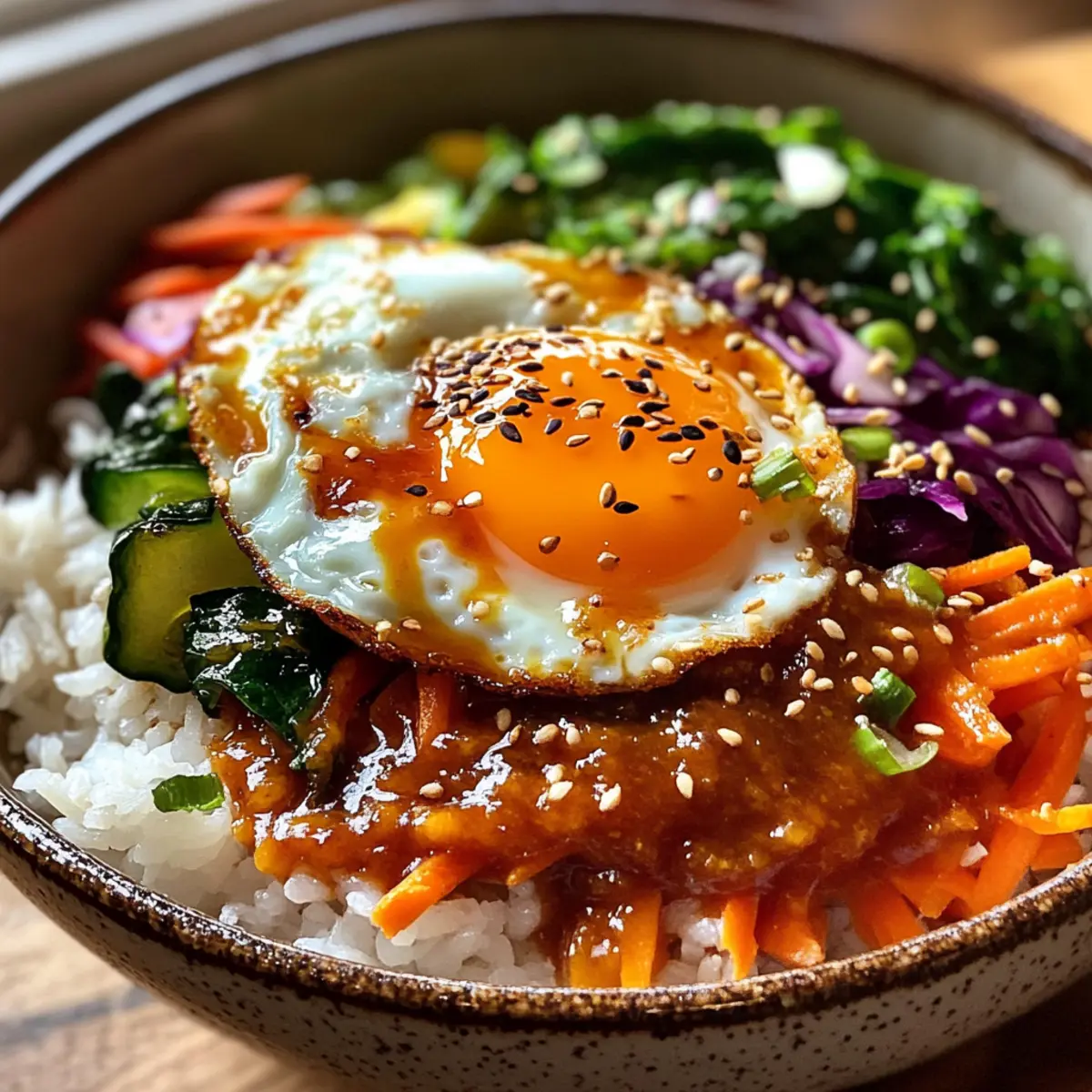
Bibimbap Sauce Recipe FAQs
How do I choose the right gochujang?
Absolutely! When selecting gochujang, look for a product that has a rich, vibrant red color and a slightly sticky texture. Opt for a quality brand that lists gochujang as the main ingredient without excessive additives or preservatives. Always check the heat level specified on the packaging, especially if you’re new to its bold flavor.
How long does Bibimbap sauce last in the fridge?
Very! Your homemade Bibimbap sauce can be stored in a sealed glass jar in the refrigerator for up to 2 weeks. It’s important to keep it tightly sealed to protect its fresh flavors. Just give it a quick stir before using, as natural separation may occur.
Can I freeze Bibimbap sauce, and how?
Definitely! To freeze your Bibimbap sauce, pour it into an airtight container or freezer bag and seal it well to avoid freezer burn. It can be stored in the freezer for up to 3 months. When you’re ready to use it, simply transfer it to the refrigerator to thaw overnight, then give it a good stir before serving.
What should I do if my Bibimbap sauce is too spicy?
No worries! If you find that your sauce is spicier than you intended, you can balance the heat by adding more sweetness. Mixing in a tablespoon of honey or sugar can help tone it down. Additionally, you can incorporate a small amount of plain yogurt or sour cream if you have them on hand, which will also provide a creamy texture that helps mellow the spiciness.
Is Bibimbap sauce safe for my pets?
Very! While Bibimbap sauce contains ingredients that are safe for human consumption, it’s best to avoid giving it to your pets due to the presence of garlic and salt, which can be harmful in larger quantities. Always check with your vet if you’re unsure about specific ingredients when it comes to your furry friends.
Can I substitute any ingredients in Bibimbap sauce?
Absolutely! If you’re missing an ingredient or have specific dietary restrictions, alternatives can work well. For example, you can use agave nectar instead of honey for a vegan version, or regular sesame oil if you can’t find toasted. Feel free to adjust the amount of each ingredient based on your personal preferences as well—cooking should be an enjoyable and flexible experience!
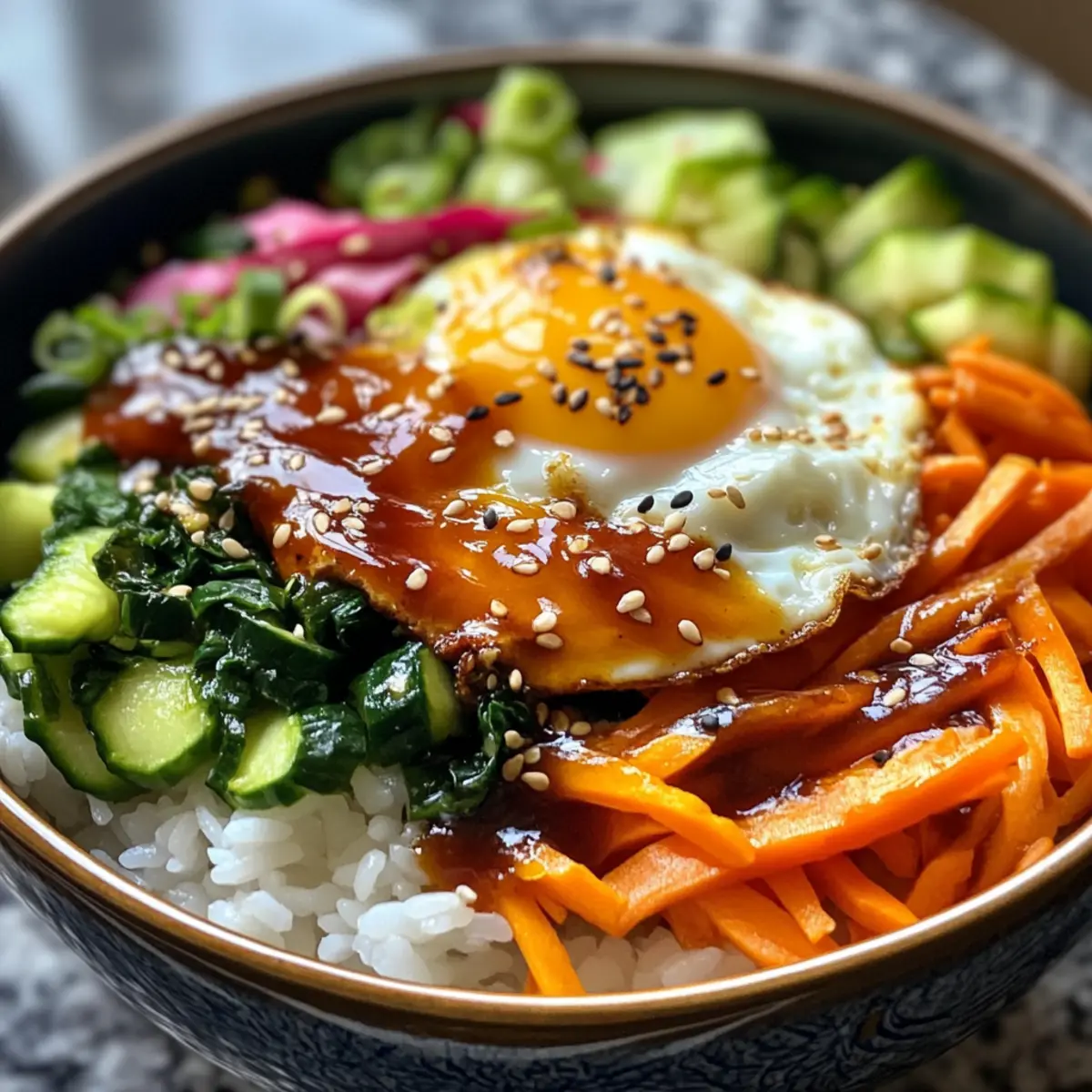
Delicious Homemade Bibimbap Sauce in Just 5 Minutes
Ingredients
Equipment
Method
- Gather all your ingredients: gochujang, minced garlic, toasted sesame oil, honey, sugar, rice vinegar, and salt.
- In a mixing bowl, place three tablespoons of gochujang, one minced garlic clove, two teaspoons of toasted sesame oil, one tablespoon of honey, and one teaspoon of sugar. Pour in one tablespoon of rice vinegar and a pinch of salt if desired.
- Using a whisk or a fork, stir the ingredients together vigorously for about 30 seconds until smooth.
- Taste the sauce and adjust the flavors as needed, adding more gochujang for heat or honey/sugar for sweetness.
- Serve immediately over rice or store in a glass container in the refrigerator for up to two weeks.
Leave a Reply