
As I stood in my kitchen, delicately rinsing the sushi rice, the aroma of the ocean and memories of my favorite sushi bar washed over me. There’s something magical about crafting authentic sushi rice at home, the foundation of exquisite sushi creations like California rolls or delectable Inari tofu sushi. This easy recipe for Perfect Sushi Rice isn’t just about flavor; it opens the door to a fun, engaging sushi-making experience that can be enjoyed with family and friends. Plus, you’ll save money cooking at home while impressing everyone with restaurant-quality results. Are you ready to roll your way to sushi perfection?
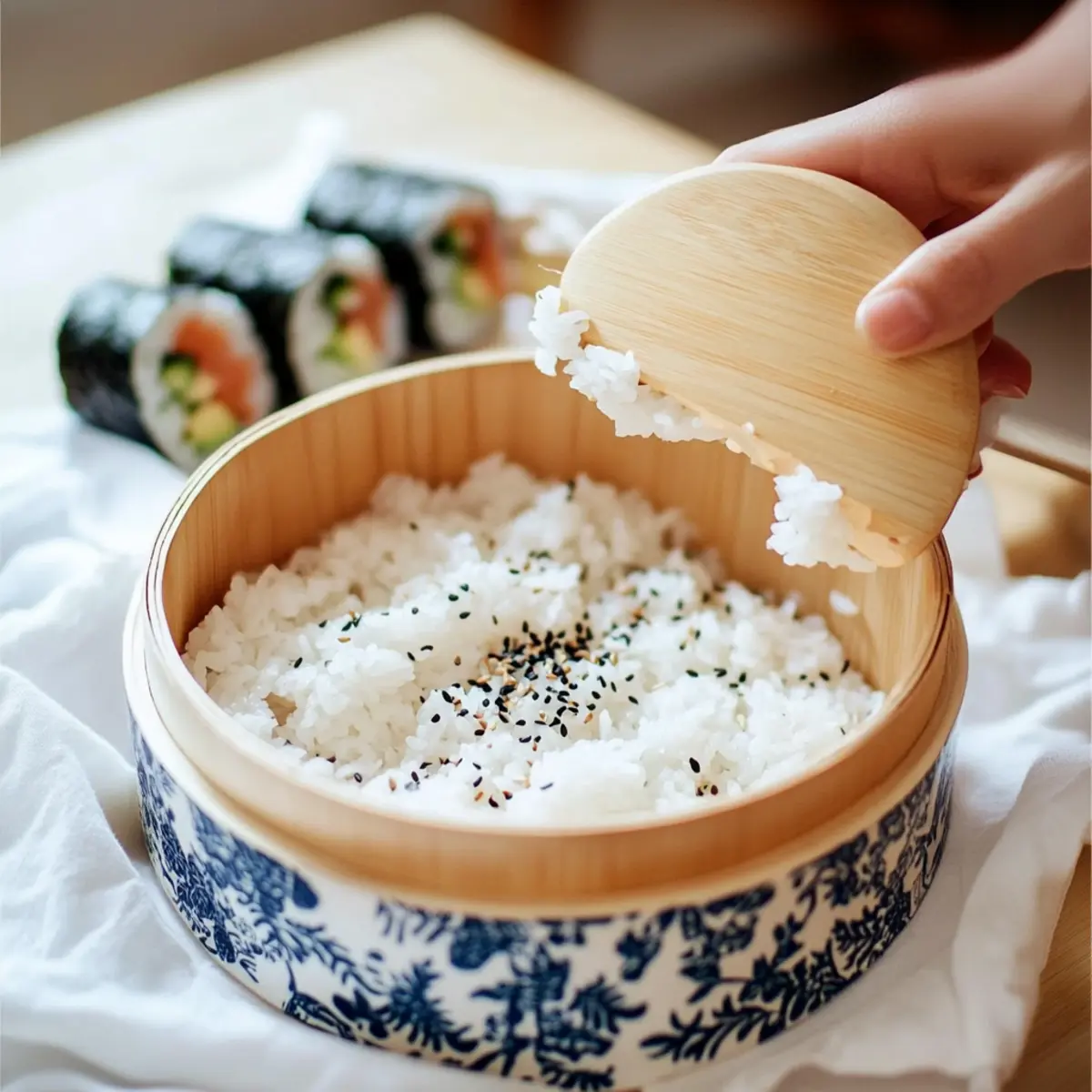
Why is Perfect Sushi Rice Essential?
Authenticity at Home: The secret to restaurant-quality sushi lies in perfect sushi rice, and this recipe delivers that authentic flavor and texture right in your kitchen.
Simple Process: You only need a few key ingredients, making it both approachable and satisfying for beginners and seasoned chefs alike.
Versatile Inspiration: Use the prepared sushi rice for various sushi forms, from traditional rolls to fun sushi bowls, allowing endless creativity.
Cost-Effective Dining: Skip the pricey sushi restaurants and whip up delightful dishes that impress friends and family without breaking the bank.
Fun for Everyone: Involve loved ones in the sushi-making process, turning an ordinary meal into a memorable event. For more ideas, check out these delicious Thanksgiving Side Dishes to pair alongside your sushi creations!
Sushi Rice Ingredients
• Here’s what you’ll need for perfect sushi rice!
For the Rice
• Sushi Rice – Short-grain Japonica rice (preferably Koshihikari) gives the characteristic sticky texture essential for sushi rolls.
• Kombu (Kelp) – Adds invaluable umami flavor and aroma when cooked with the rice; konbu dashi powder is a great alternative.
For the Seasoning
• Rice Vinegar – This is crucial for flavor and aids in the rice’s cohesive texture; if unavailable, white vinegar can be used, but the taste will change.
• Sugar – Sweetens and balances the acidity from the vinegar, enhancing the overall flavor profile.
• Salt – This essential ingredient elevates the taste of the sushi rice, making it even more delightful.
With these ingredients in hand, you’ll be ready to create beautifully authentic sushi rice that’s simply irresistible!
Step‑by‑Step Instructions for Authentic Perfect Sushi Rice
Step 1: Rinse the Rice
Begin by placing 2 cups of sushi rice in a fine-mesh strainer and rinsing it under cold water. Swirl and agitate the rice gently until the water runs clear, which will take about 3-5 minutes. This step is crucial for removing excess starch and achieving that signature sushi rice texture. Once rinsed, let the rice drain thoroughly for a few minutes.
Step 2: Cook the Rice
In your rice cooker or pot, combine the rinsed sushi rice with 1.8 cups of water and a strip of kombu. If using a rice cooker, simply follow the manufacturer’s instructions for cooking. If using a pot, bring the mixture to a boil, then reduce the heat to low, cover, and simmer for 18-20 minutes until all water is absorbed. Once cooked, turn off the heat and let it sit, covered, for an additional 10 minutes.
Step 3: Prepare the Sushi Vinegar
While the rice is resting, prepare the sushi vinegar. In a small pot, combine 4 tablespoons of rice vinegar, 2 tablespoons of sugar, and 2 teaspoons of salt. Heat gently over medium heat for about 3-4 minutes, stirring occasionally, until the sugar dissolves completely. Avoid boiling this mixture, as you need it warm, not hot.
Step 4: Season the Rice
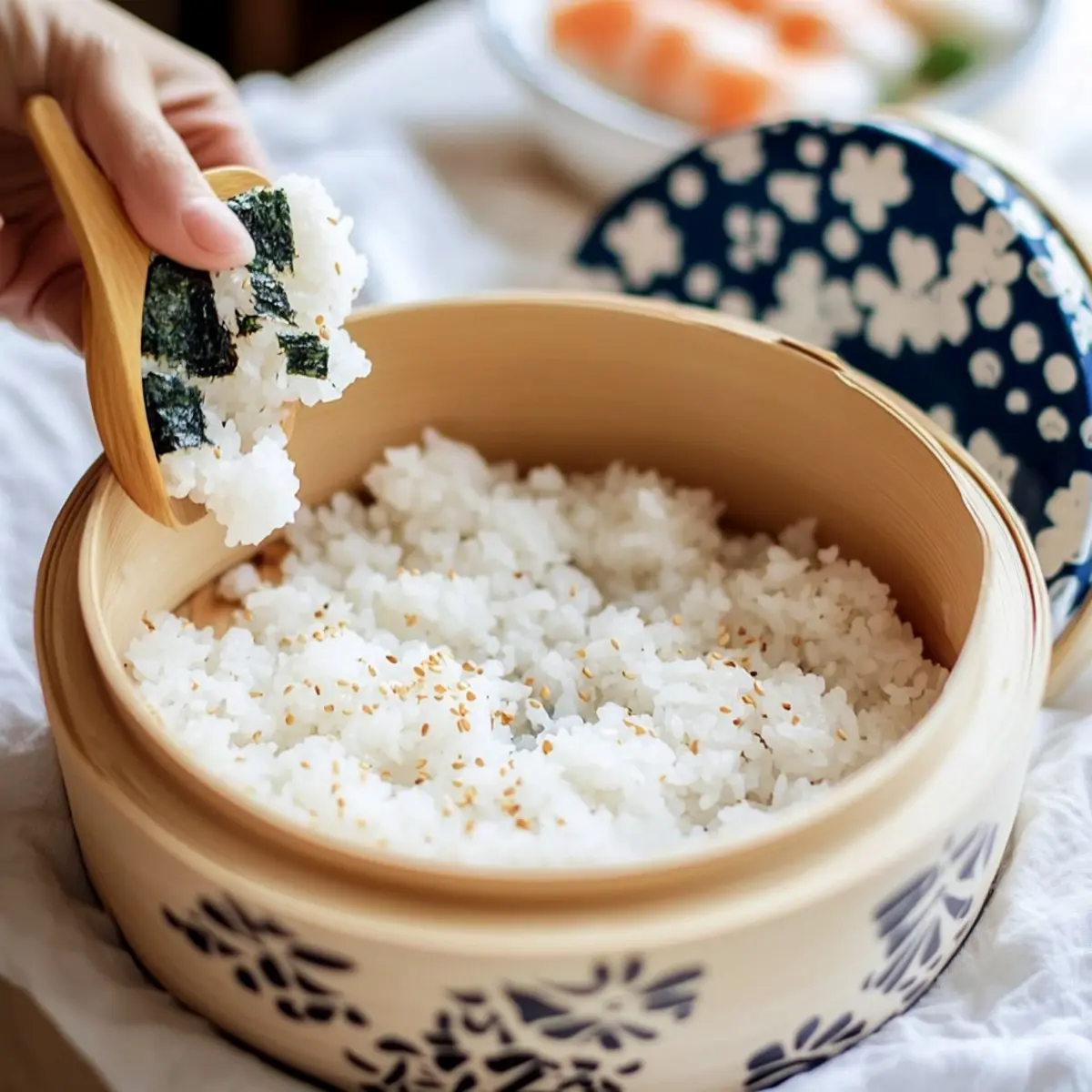
Once the sushi rice has rested, transfer it to a wooden tub (or Hangiri) or a large bowl. Carefully remove the strip of kombu, then drizzle the prepared sushi vinegar mixture over the hot rice. This is a key moment for authentic sushi rice as the seasoning enhances the flavor and helps the grains stick together.
Step 5: Mix the Rice Gently
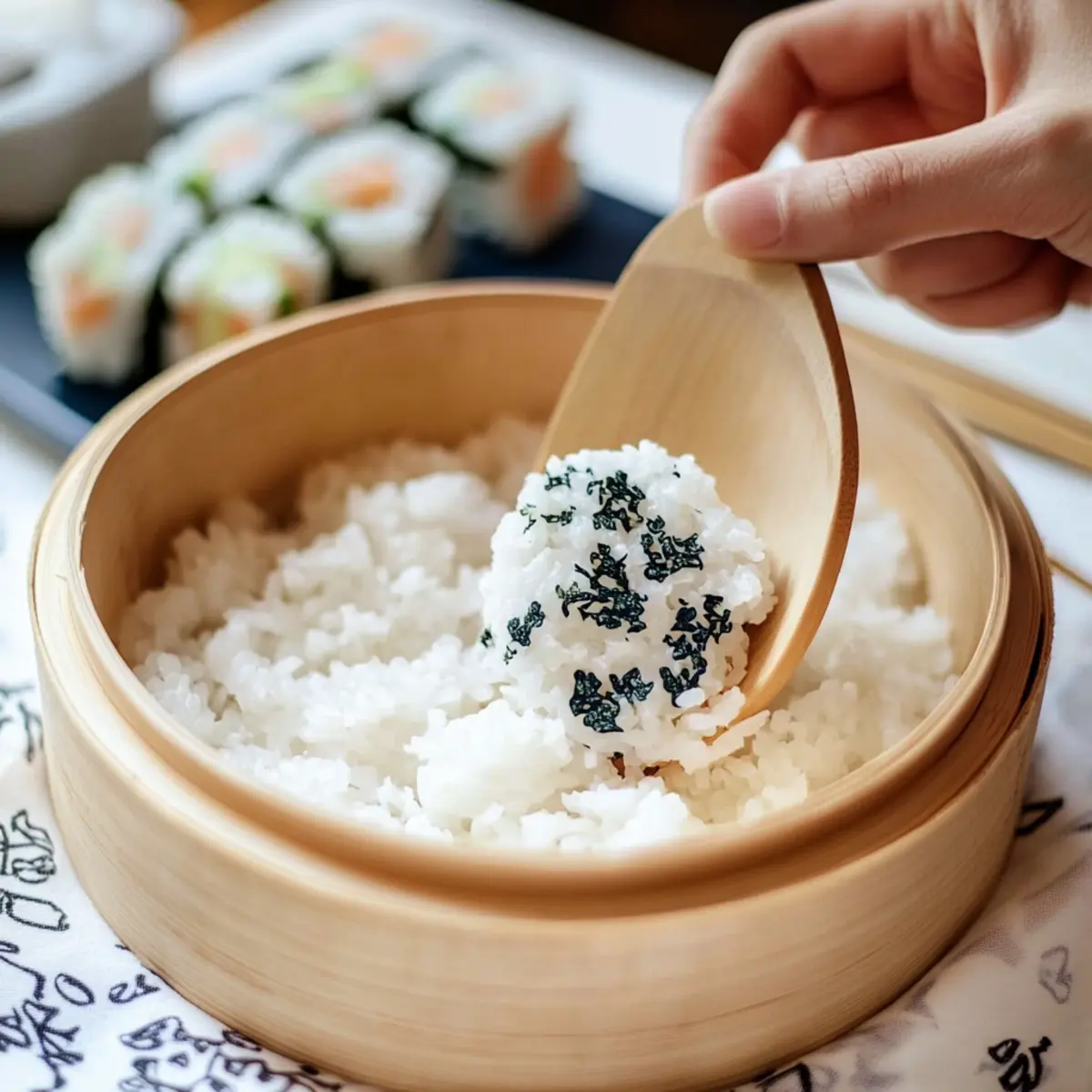
Using a spatula (or Shamoji), fold the vinegar into the rice gently. Use a slicing motion rather than stirring to avoid mashing the grains. As you mix, fan the rice with a traditional Japanese fan or any fan you have handy for about 3-5 minutes. This cooling process not only helps the rice achieve a glossy texture but also ensures even seasoning distribution.
Step 6: Cool and Store the Sushi Rice
Finally, cover the seasoned sushi rice with a damp cloth to keep it moist and allow it to cool down to room temperature. This usually takes about 20-30 minutes. Once cooled, your authentic sushi rice is ready to be used for rolls, bowls, or any sushi creation you desire! Store any leftover rice in an airtight container in the fridge for up to 3 days.
What to Serve with Authentic Perfect Sushi Rice
Elevate your sushi night with amazing sides that beautifully complement the delightful flavors and textures of your homemade sushi rice.
- Miso Soup: Warm and soothing, this traditional soup adds a comforting touch while highlighting the Umami notes of the sushi.
- Seaweed Salad: Bright and tangy, the coolness of this salad contrasts beautifully with the warm, sticky sushi rice, adding a refreshing crunch.
- Pickled Ginger: A spicy yet sweet palate cleanser, pickled ginger cleanses the taste buds between bites, enhancing the overall sushi experience.
- Sushi Rolls: Roll up amazing combinations like spicy tuna or veggie rolls using your perfect sushi rice to create a feast for both the eyes and palate.
- Edamame: Lightly salted and steamed, these tender soybeans are a bite-sized treat that provides a healthy crunch to balance your meal.
- Japanese Beer: Enjoy a cold, crisp beer that complements the flavors of the sushi rice and the richness of your sushi creations.
- Matcha Green Tea: Its subtle bitterness and refreshing qualities pair beautifully with sushi, providing a mellow contrast to the sweet and tangy rice.
- Dessert Mochi: Sweet and chewy, mochi provides a delightful end to your meal, adding a fusion of textures that captivates the senses when paired with sushi rice.
Make Ahead Options
Preparing Perfect Sushi Rice ahead of time is a fantastic way to save valuable kitchen time during busy weeknights! You can rinse and cook the sushi rice up to 24 hours in advance; simply allow it to cool, and then store it in an airtight container in the fridge. The sushi vinegar mixture can also be prepped and kept in the refrigerator for up to 3 days. When you’re ready to roll, just take the rice out, reheat it gently with a damp cloth to restore moisture, and incorporate the sushi vinegar. Following these steps ensures your sushi rice remains just as delicious and sticky as when freshly made, making your sushi night effortless and enjoyable!
How to Store and Freeze Sushi Rice
Fridge: Store leftover sushi rice in an airtight container for up to 3 days. This will keep it fresh and safe to enjoy later. Always cover the rice with a damp cloth to prevent drying.
Freezer: For longer storage, freeze sushi rice in an airtight container or freezer bag for up to 3 months. Portion out serving sizes for convenience.
Reheating: To restore moisture, reheat rice in the microwave with a damp cloth over it for about 1-2 minutes, or until steaming. Make sure to fluff gently before serving to maintain its perfect texture.
Tip: When reheating, if the defrosted sushi rice feels a bit dry, you can add a few drops of water before covering it with the damp cloth to enhance moisture retention.
Expert Tips for Perfect Sushi Rice
-
Rinse Properly: Make sure to rinse the sushi rice until the water runs clear. This crucial step removes excess starch for the ideal sticky texture.
-
Adjust Water Ratio: When using a rice cooker, slightly reduce the water by 10% to account for added moisture from the vinegar mixture.
-
Use Wooden Tools: A wooden tub (Hangiri) absorbs moisture, enhancing the rice’s stickiness. If unavailable, a mixing bowl will work but may retain more liquid.
-
Gentle Mixing: Mix the rice gently with a spatula, using a slicing motion. Avoid mashing the grains to keep each one distinct in your sushi rice.
-
Cool with a Fan: Fanning the rice while mixing helps achieve a glossy finish, making your sushi visually appealing and enhancing the overall texture.
-
Store Wisely: Keep leftover sushi rice in an airtight container in the fridge for up to 3 days, and reheat with a damp cloth to maintain moisture.
Sushi Rice Variations & Substitutions
Feel free to get creative and customize this sushi rice to match your taste buds or dietary needs!
-
Vinegar Swap: Use apple cider vinegar instead of rice vinegar for a tangy twist. The flavor will be slightly fruity, adding an unexpected depth!
-
Sugar Alternative: Try using honey or agave syrup to sweeten your vinegar mixture for a touch of natural sweetness. Just a little will go a long way in enhancing the flavors.
-
Kombu Alternative: Substitute konbu dashi powder for kombu to infuse umami right into the cooking process. Dashi powder offers a quick and convenient way to amp up flavor.
-
Sweet & Spicy: Add a teaspoon of sriracha or chili paste to the vinegar mix for a fun spicy kick! This variation will surprise and delight anyone who loves a bit of heat.
-
Herbal Boost: Incorporate fresh cilantro or basil into your sushi rice for an aromatic touch. Chop them finely and fold them in gently once the rice is seasoned.
-
Brown Rice Option: For a healthy twist, use short-grain brown rice instead. Keep in mind that cooking times and water ratios will differ, but the nutty flavor will be worth the effort!
-
Vegetarian Delight: If you want to go fully plant-based, use vegan fish sauce instead of sugar for seasoning. This will give you a savory umami kick without any animal products.
-
Serving Suggestion: Pair your sushi rice with these flavorful Thanksgiving Side Dishes for an unexpected and delightful feast!
Embrace the art of sushi rice-making, and remember – each variation adds a unique touch to your culinary creations!
Sushi Rice Recipe FAQs
What type of rice is best for sushi?
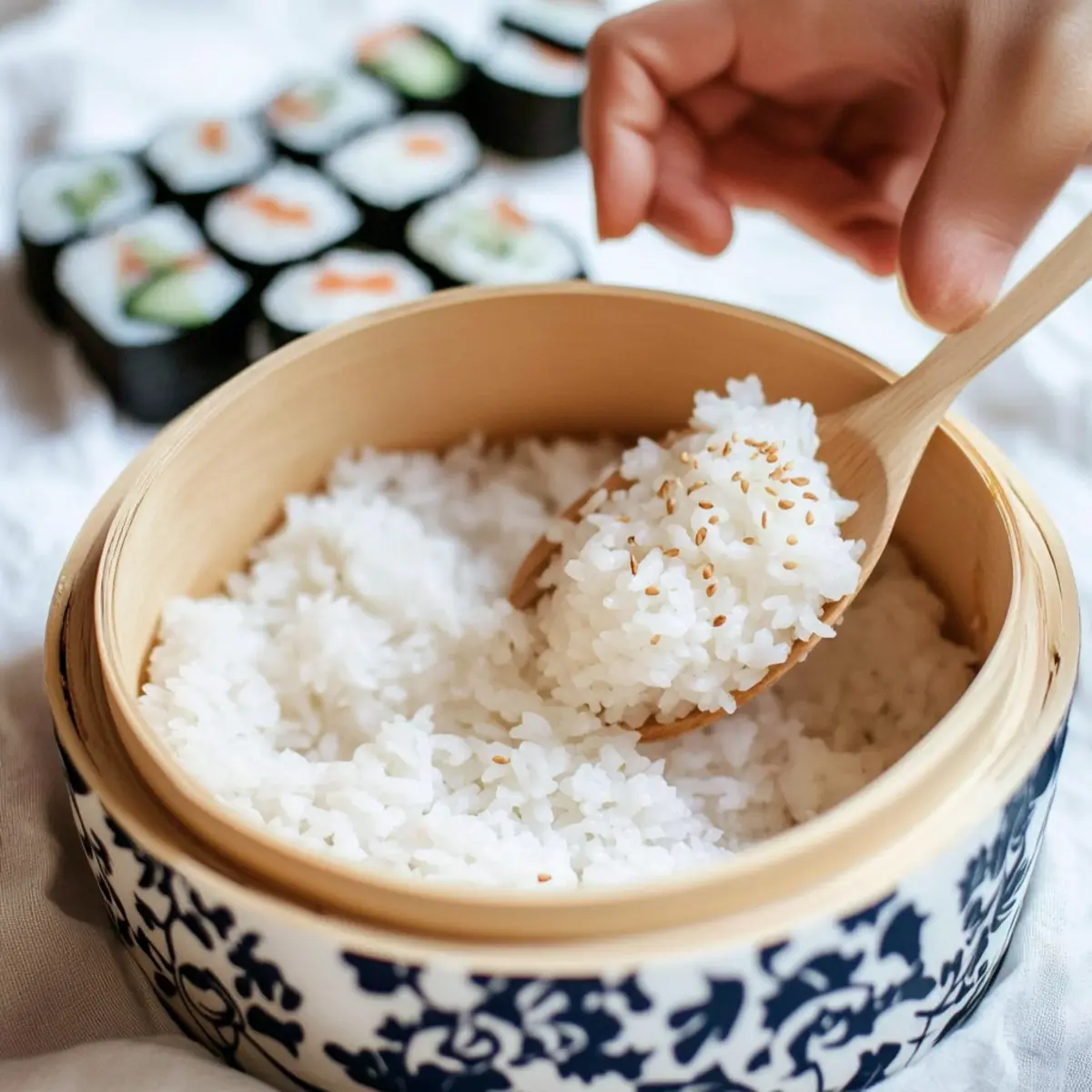
Absolutely! The ideal choice for sushi is short-grain Japonica rice, preferably Koshihikari. This type of rice is sticky and holds together well, ensuring that your sushi rolls are cohesive. Avoid long grains like Jasmine or Basmati, as they lack the necessary stickiness and texture.
How should I store leftover sushi rice?
You can store leftover sushi rice in an airtight container in the fridge for up to 3 days. To keep it from drying out, cover it with a damp cloth. If you want to enjoy it later, reheat it gently in the microwave with a damp cloth for about 1-2 minutes until it’s steaming.
Can sushi rice be frozen?
Yes! For longer storage, you can freeze sushi rice in an airtight container or freezer bag for up to 3 months. It’s best to portion the rice into serving sizes, making it easier to thaw later. Be sure to label the storage with the date, so you can enjoy it at its freshest!
What should I do if my sushi rice is too sticky or mushy?
If your sushi rice turns out too sticky or mushy, it may have been rinsed inadequately, causing too much starch to remain. In the future, rinse the rice under cold water until the water runs clear; this takes about 3-5 minutes. If you’ve already cooked it, you can try spreading it out on a baking sheet to cool and dry slightly, which might help improve its texture.
Is sushi rice safe for pets?
While sushi rice itself is not toxic to pets, it’s best to avoid giving them seasoned rice. The vinegar, sugar, and salt used in sushi rice could upset their stomach. If you’d like to share some plain, unseasoned rice with your furry friends, that’s generally a safe and healthy treat!
Master Sushi Rice for Authentic Homemade Rolls
Ingredients
Equipment
Method
- Rinse the rice in a fine-mesh strainer under cold water for 3-5 minutes until the water runs clear.
- In a rice cooker or pot, combine rinsed sushi rice, water, and a strip of kombu. Cook according to manufacturer’s directions or bring to a boil, then cover and simmer for 18-20 minutes.
- While rice is resting, prepare sushi vinegar by heating rice vinegar, sugar, and salt in a small pot over medium heat for 3-4 minutes until sugar dissolves.
- Transfer cooked rice to a wooden tub, remove kombu, and drizzle sushi vinegar over rice.
- Gently fold vinegar into the rice using a spatula, fanning the rice simultaneously for 3-5 minutes.
- Cover the seasoned rice with a damp cloth to cool to room temperature, about 20-30 minutes.
Leave a Reply