
As I pushed open the door of my favorite takeout spot, the familiar scent of savory stir-fry wafted through the air, instantly igniting my cravings. But why wait in line when I can whip up my own batch of homemade Panda Express Copycat Chow Mein in just 20 minutes? This recipe for Asian noodles not only satisfies your taste buds but also offers a healthier, customizable alternative to greasy takeout. With just a few fresh ingredients, you can create a dinner that’s quick and budget-friendly, perfect for busy weeknights. So, are you ready to bring that delightful stir-fry magic into your kitchen? Let’s dive in!
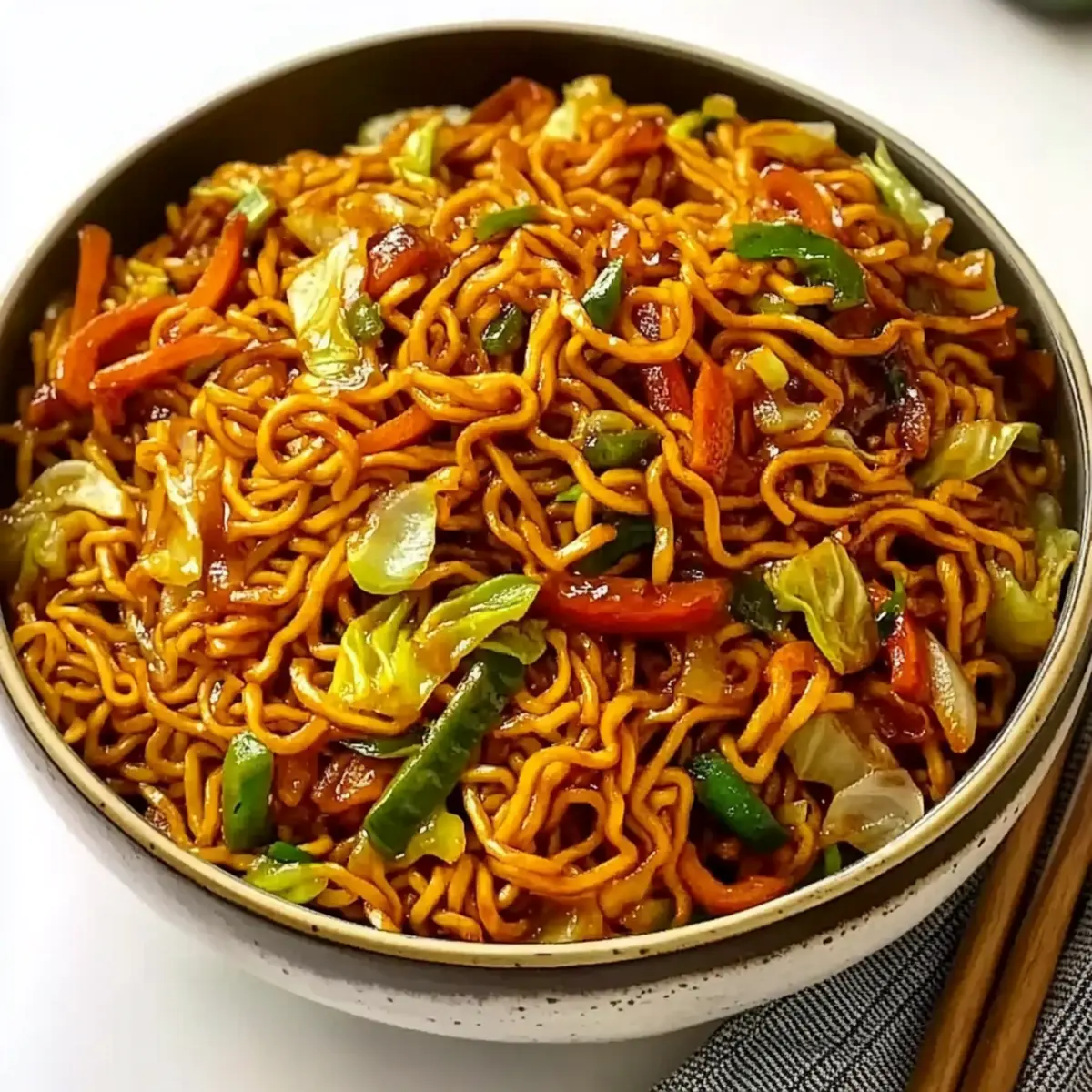
Why Make Your Own Chow Mein?
Satisfying your cravings has never been easier! This Panda Express Copycat Chow Mein delivers unmatched flavor that rivals any restaurant dish. Quick and ready in just 20 minutes, it’s perfect for busy weeknights. Enjoy the freedom to customize with your favorite proteins and veggies, making every meal a unique experience. Say goodbye to greasy takeout and embrace a healthier, budget-friendly option that your entire family will love!
Asian Noodles Ingredients
• Dive into the vibrant world of homemade chow mein with these essential ingredients!
For the Noodles
- Fresh Chow Mein Noodles – The heart of the dish, providing that perfect texture; in a pinch, you can swap it with dried lo mein noodles or spaghetti.
For the Sauce
- Soy Sauce – Infuses the dish with umami depth and saltiness; feel free to use tamari for a gluten-free option.
- Oyster Sauce – Delivers sweetness and complexity; hoisin sauce is a great substitute if you prefer a sweeter flavor.
- Sesame Oil – Adds a delightful nutty aroma that enhances the overall taste.
- Sugar – Balances the savory notes; adjust to your liking for that perfect sweetness.
- Black Pepper – Provides warmth and a hint of spice to the mix.
For the Vegetables
- Onion – Offers a touch of sweetness and depth of flavor.
- Carrots – Brings both color and crunch; a vibrant addition to your Asian noodles.
- Cabbage – Essential for that crisp and tender texture.
- Bean Sprouts – Adds freshness and a slight crunch that elevates each bite.
- Garlic – A must-have aromatic that infuses depth of flavor.
Optional Add-ins
- Optional Proteins (Chicken, Beef, Shrimp) – Boosts the protein content and makes your dish heartier.
- Optional Vegetables (Snap Peas, Broccoli) – Customize according to your preference for a personal touch in your chow mein.
Get ready to whip up a delightful meal that’ll quickly become a weeknight favorite!
Step‑by‑Step Instructions for Panda Express Copycat Chow Mein
Step 1: Cook the Noodles
Begin by bringing a pot of water to a boil and cooking the fresh chow mein noodles according to the package directions, usually about 3-5 minutes. Once they’re just tender, drain and rinse them under cold water to stop the cooking process. This step ensures your Asian noodles have a perfect texture and are ready for stir-frying.
Step 2: Prepare the Sauce
In a small bowl, whisk together ¼ cup soy sauce, 2 tablespoons oyster sauce, 1 tablespoon sesame oil, 1 teaspoon sugar, and a pinch of black pepper until smooth. This flavorful sauce will infuse your Panda Express Copycat Chow Mein with umami richness. Set it aside as you move on to preparing the vegetables.
Step 3: Stir-Fry the Vegetables
Heat 2 tablespoons of oil in a wok or a large skillet over high heat until shimmering. Add sliced onions and julienned carrots, stir-frying for about 2 minutes until they begin to soften and become fragrant. This quick and fiery cooking method helps maintain the vibrant colors and crisp texture of your vegetables.
Step 4: Add the Remaining Vegetables
Next, toss in the chopped cabbage, fresh bean sprouts, and minced garlic. Continue stir-frying for another 2-3 minutes until the cabbage is slightly wilted and the sprouts maintain their crunch. This combination of vegetables will add great flavor and texture to your chow mein, complementing the noodles beautifully.
Step 5: Combine Noodles and Sauce
Now, add the cooked chow mein noodles to the wok with the vegetables. Pour in the prepared sauce and toss everything together for 2-3 minutes over high heat. Ensure the noodles are well-coated and heated through, allowing all the flavors to meld together. The final dish should be fragrant and vibrant, resembling your favorite takeout.
Step 6: Serve and Enjoy
Once everything is well-combined and heated, remove your wok from the heat. Transfer the Panda Express Copycat Chow Mein to serving plates and garnish with scallions or sesame seeds if desired. Dive into your homemade Asian noodles, relishing the delightful flavors and textures that are sure to please your family!
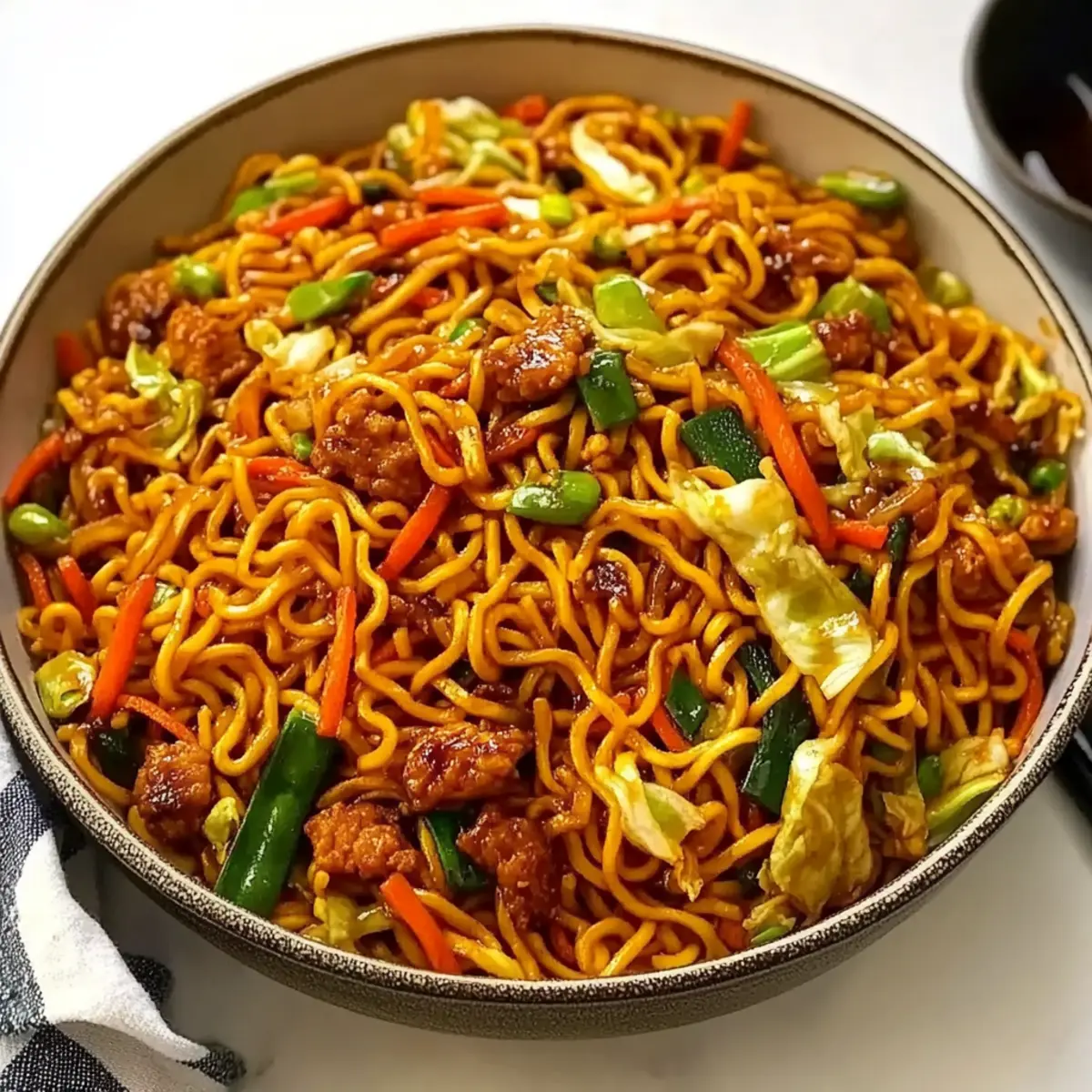
Make Ahead Options
These Panda Express Copycat Chow Mein are perfect for busy weeknights! You can prepare the vegetables (sliced onions, julienned carrots, chopped cabbage, and bean sprouts) up to 24 hours in advance; simply store them in an airtight container in the refrigerator to maintain freshness. Additionally, you can whisk together the sauce components (soy sauce, oyster sauce, sesame oil, sugar, and black pepper) and refrigerate for up to 3 days. When you’re ready to enjoy your homemade chow mein, just stir-fry the vegetables and add in your cooked noodles along with the pre-prepared sauce. This way, your meal will be just as delicious while saving time and reducing weeknight stress!
Expert Tips for Panda Express Copycat Chow Mein
-
High Heat Cooking: Always use high heat when stir-frying your Asian noodles and vegetables to achieve that delicious, slightly charred flavor reminiscent of takeout.
-
Don’t Overcook Veggies: Keep an eye on your vegetables; overcooking can lead to a mushy texture. Aim for a quick stir-fry to maintain their crisp-tender bite.
-
Rinse Noodles: After cooking the chow mein noodles, rinse them under cold water to prevent sticking and overcooking, ensuring they stay chewy in your stir-fry.
-
Taste and Adjust Sauce: Always taste your sauce before adding it to the noodles. Feel free to adjust flavors by adding more soy sauce, sugar, or even a splash of vinegar for a kick.
-
Add Protein Wisely: If adding proteins like chicken or shrimp, ensure they’re pre-cooked or quick-cooking so that they integrate seamlessly into the chow mein without slowing down your cooking process.
How to Store and Freeze Chow Mein
Fridge: Store leftovers in an airtight container for up to 3 days. To maintain the freshness of your Asian noodles, ensure they are completely cool before sealing.
Freezer: Chow mein can be frozen for up to 1 month. Pack it tightly in a freezer-safe container, removing as much air as possible to prevent freezer burn.
Reheating: When ready to enjoy, thaw in the fridge overnight. Reheat in a skillet over medium heat with a splash of broth or water for better texture, stirring frequently.
Make-Ahead Tips: Prepare your chow mein ahead of time and refrigerate it in portions. This allows for quick weeknight dinners with minimal effort and maximum flavor!
What to Serve with Homemade Panda Express Copycat Chow Mein?
Experience a culinary adventure as you complement your flavorful stir-fried noodles with delightful dishes that elevate your meal!
-
Crispy Egg Rolls: The crunch of these golden-brown snacks adds a satisfying texture contrast, perfectly balancing the soft noodles.
-
Tangy Sweet and Sour Chicken: Juicy chicken coated in a vibrant sauce offers an irresistibly sweet flavor, harmonizing beautifully with the savory chow mein.
-
Steamed Dumplings: Soft and tender, these bite-sized treasures provide a comforting element, making them a delightful pairing with your Asian noodles.
-
Fresh Garden Salad: A crisp salad topped with sesame dressing brings a refreshing crunch, enhancing your meal with bright flavors and textures.
-
Spicy Szechuan Tofu: For a spicy kick, this protein option adds heat and silkiness, elevating the richness of your chow mein experience.
-
Lightly Pickled Vegetables: These vibrant, tangy bites serve as a zesty contrast to the richness of the noodles, adding brightness to your plate.
-
Chilled Green Tea: Refreshing and slightly grassy, this drink perfectly balances the savory flavors of your stir-fried noodles while providing a soothing touch.
-
Mango Sticky Rice: End on a sweet note with this luscious dessert, marrying creamy coconut with fragrant mango, creating a delightful finish after a savory meal.
With these suggestions, you’ll create a memorable dining experience that brings your homemade chow mein to life!
Asian Noodles Variations & Substitutions
Feel free to let your creativity shine as you customize this chow mein recipe with these delicious alternatives!
-
Protein Swap: Add chicken, beef, or shrimp for a hearty dinner packed with flavor.
-
Veggie Boost: Incorporate seasonal veggies like bell peppers or snow peas for a vibrant crunch throughout your dish. Each added color brings its unique taste and nutrition, enhancing your overall experience.
-
Gluten-Free Option: Use rice noodles and tamari instead of soy sauce to make this dish suitable for gluten-sensitive diners.
-
Heat It Up: Toss in a sprinkle of red pepper flakes or sliced chili peppers for a spicy kick that will awaken your taste buds.
-
Lighten It Up: For a healthier take, try using less oil and substitute it with a splash of chicken broth to stir-fry the vegetables without losing flavor.
-
Flavor Twist: Experiment with hoisin sauce instead of oyster sauce for an extra sweet and savory flavor profile that complements the dish wonderfully.
-
Extra Aromatics: Add fresh ginger or scallions into the stir-fry for a fragrant lift that enhances each bite.
-
Noodle Options: If chow mein noodles aren’t available, use udon noodles or spaghetti as an easy substitute that still delivers satisfying results.
Let your taste buds lead the way and create a chow mein that’s uniquely yours! And while you’re at it, consider serving it alongside our crispy egg rolls or delightful potstickers to complete your Asian-inspired feast.
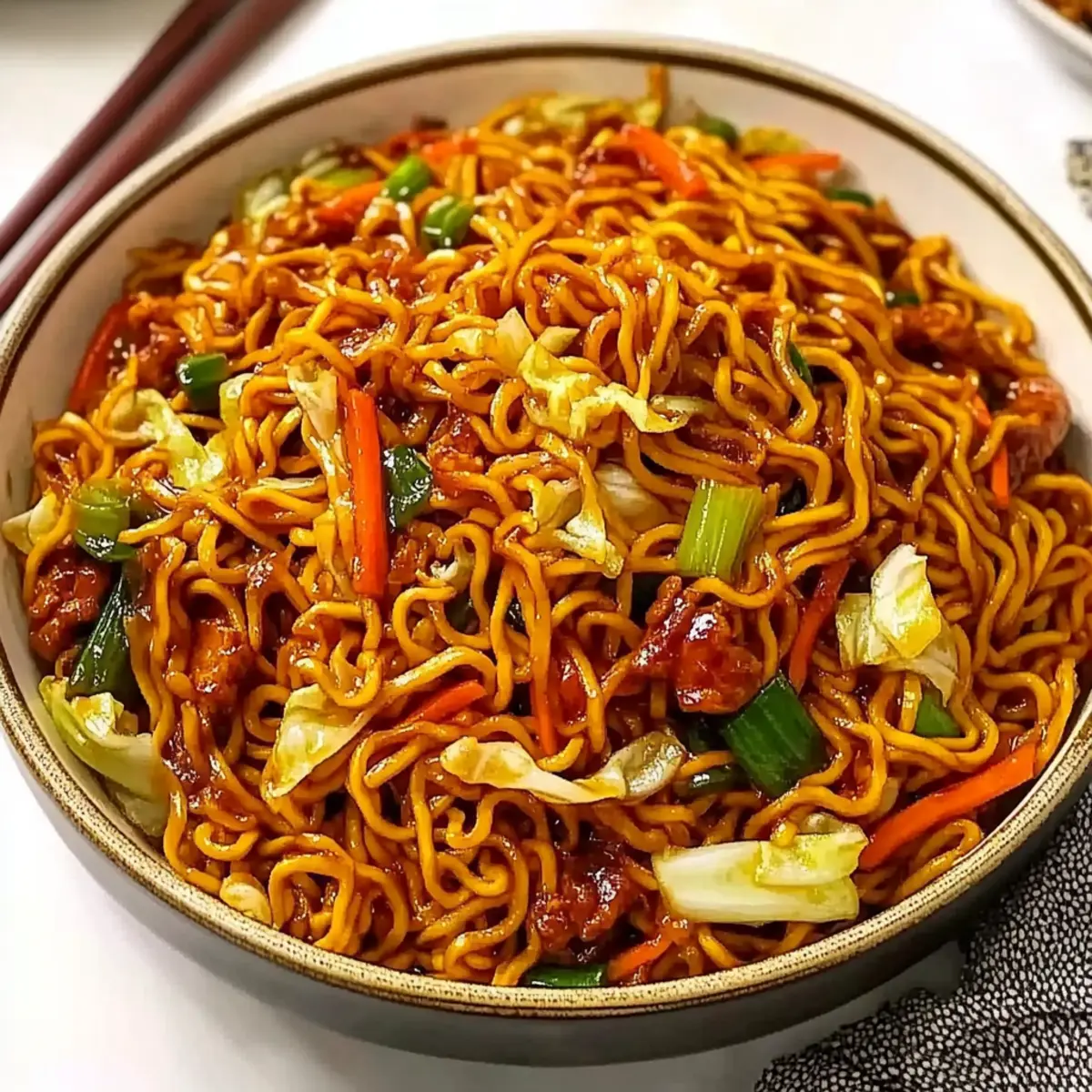
Panda Express Copycat Chow Mein Recipe FAQs
What kind of noodles should I use for chow mein?
Absolutely! Fresh chow mein noodles are preferred for their perfect texture. However, if you can’t find them, you can use dried lo mein noodles or even spaghetti in a pinch. Just make sure to cook them according to package instructions for the best results.
How should I store leftover chow mein?
To keep your chow mein fresh, store leftovers in an airtight container in the fridge for up to 3 days. Ensure the noodles have cooled completely before sealing to maintain their texture. When you’re ready to enjoy them again, just reheat in a skillet with a splash of water or broth to bring them back to life.
Can I freeze chow mein?
Yes, you can! Chow mein can be frozen for up to 1 month. To do so, pack it tightly in a freezer-safe container, pressing out as much air as possible to prevent freezer burn. When ready to eat, thaw in the fridge overnight, and reheat in a skillet with a little broth to revive those delicious flavors.
What if my vegetables get mushy?
Very! If you find your vegetables turn mushy, remember to stir-fry them quickly over high heat. Aim for a cooking time of only 2-3 minutes. Add them to the wok in order of cooking time, with quick-cooking vegetables like bean sprouts added last, ensuring they remain crunchy.
Are there any dietary considerations for this recipe?
Absolutely! This chow mein can easily be adapted for gluten-free diets by using rice noodles and tamari instead of soy sauce. Additionally, feel free to substitute any vegetables based on allergies or personal preferences. Just ensure that whatever you add is fresh and well-prepared for the best flavor!
Can I customize my chow mein with different proteins or vegetables?
The more the merrier! This recipe is wonderfully customizable. You can add cooked proteins like chicken, beef, or shrimp. For vegetables, feel free to include seasonal options like snap peas or broccoli. Just keep in mind to adjust cooking times based on the ingredients you choose!
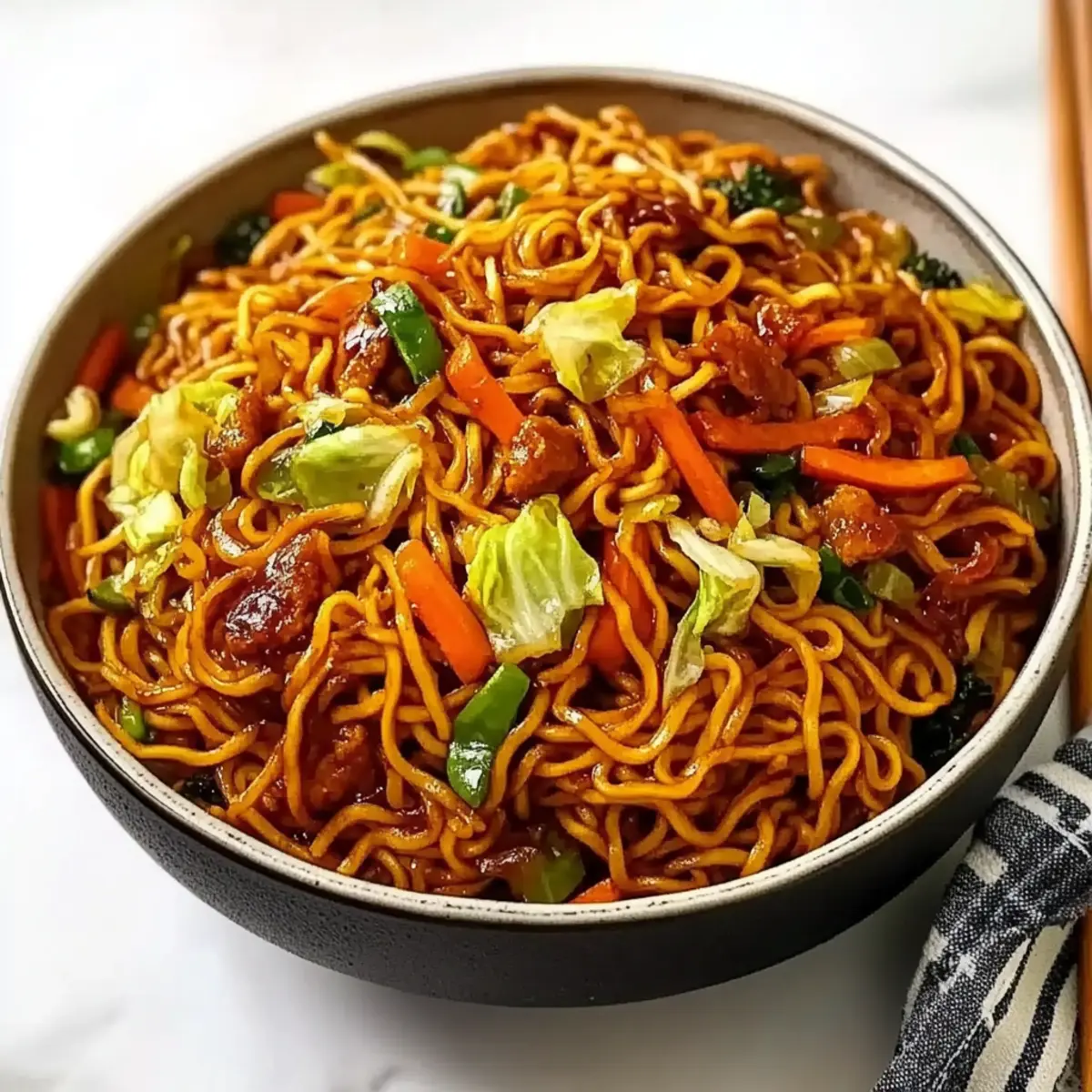
Asian Noodles Made Easy: Quick, Flavorful, and Customizable!
Ingredients
Equipment
Method
- Begin by bringing a pot of water to a boil and cooking the fresh chow mein noodles according to the package directions, usually about 3-5 minutes. Once they're just tender, drain and rinse them under cold water to stop the cooking process.
- In a small bowl, whisk together ¼ cup soy sauce, 2 tablespoons oyster sauce, 1 tablespoon sesame oil, 1 teaspoon sugar, and a pinch of black pepper until smooth.
- Heat 2 tablespoons of oil in a wok or a large skillet over high heat until shimmering. Add sliced onions and julienned carrots, stir-frying for about 2 minutes until they begin to soften.
- Toss in the chopped cabbage, fresh bean sprouts, and minced garlic. Continue stir-frying for another 2-3 minutes until the cabbage is slightly wilted.
- Add the cooked chow mein noodles to the wok with the vegetables. Pour in the prepared sauce and toss everything together for 2-3 minutes.
- Remove from heat, transfer to serving plates and garnish with scallions or sesame seeds if desired.
Leave a Reply